
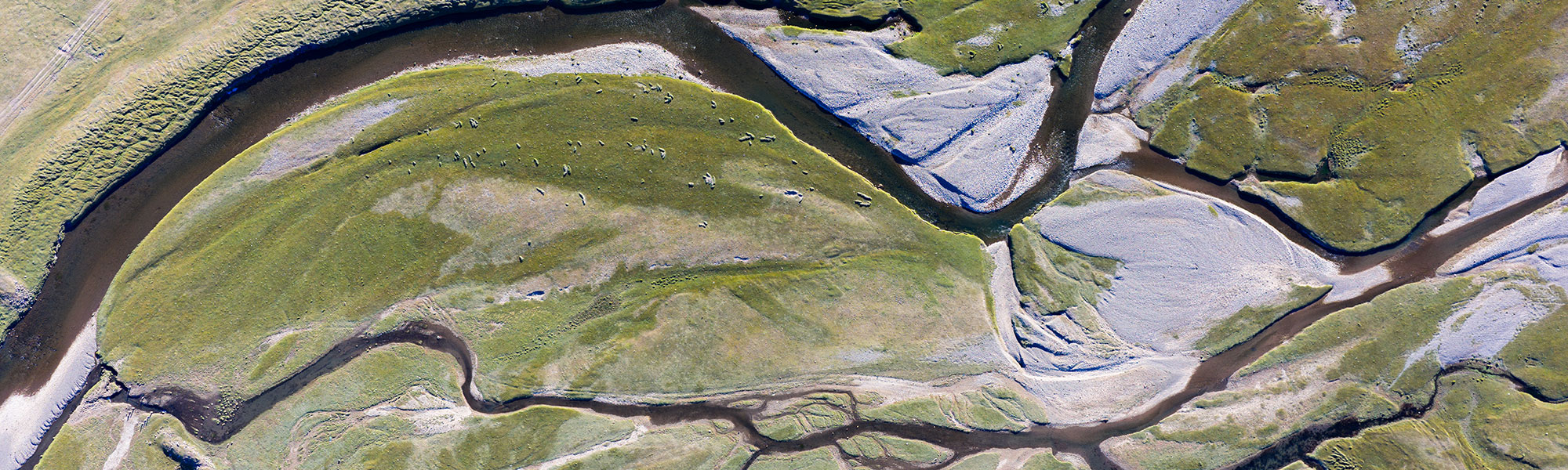
Around the World in Five Transhumances
Transhumance is a practice that involves moving livestock with the seasons so they can find grass and water. Herders follow well-known routes, used for generations, between complementary areas: mountains and valleys, plains and wetlands, savannas and more humid regions. Even today, in many parts of the world, transhumance remains an effective response to climate variability and a cornerstone of sustainable pastoral livestock systems.
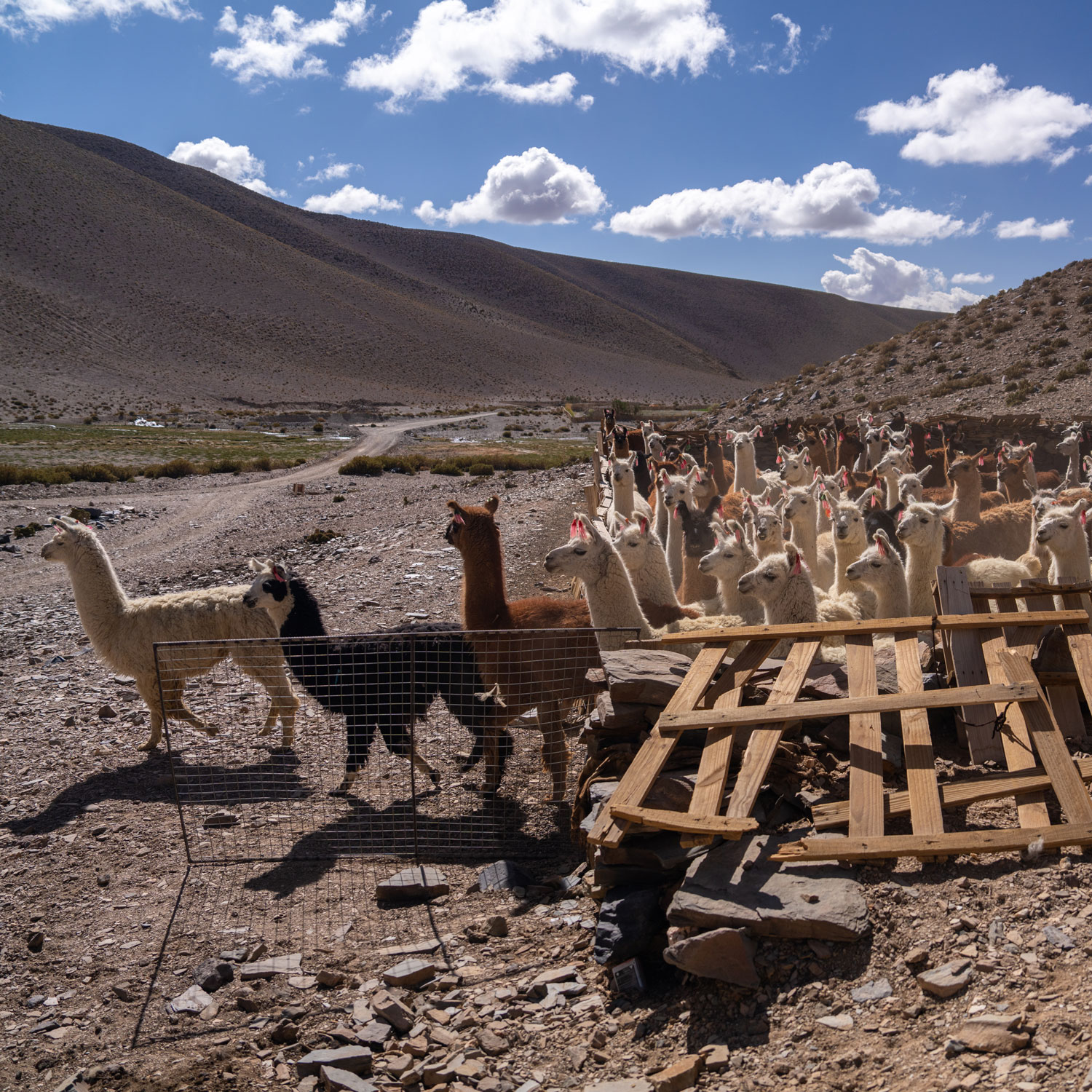
In Argentina, Don Pascual is a llama and sheep herder. He inherited his farm from his parents and continues the tradition of llama herding. This small-scale llama transhumance is called rotación and is one of the least known forms of livestock mobility in the world.
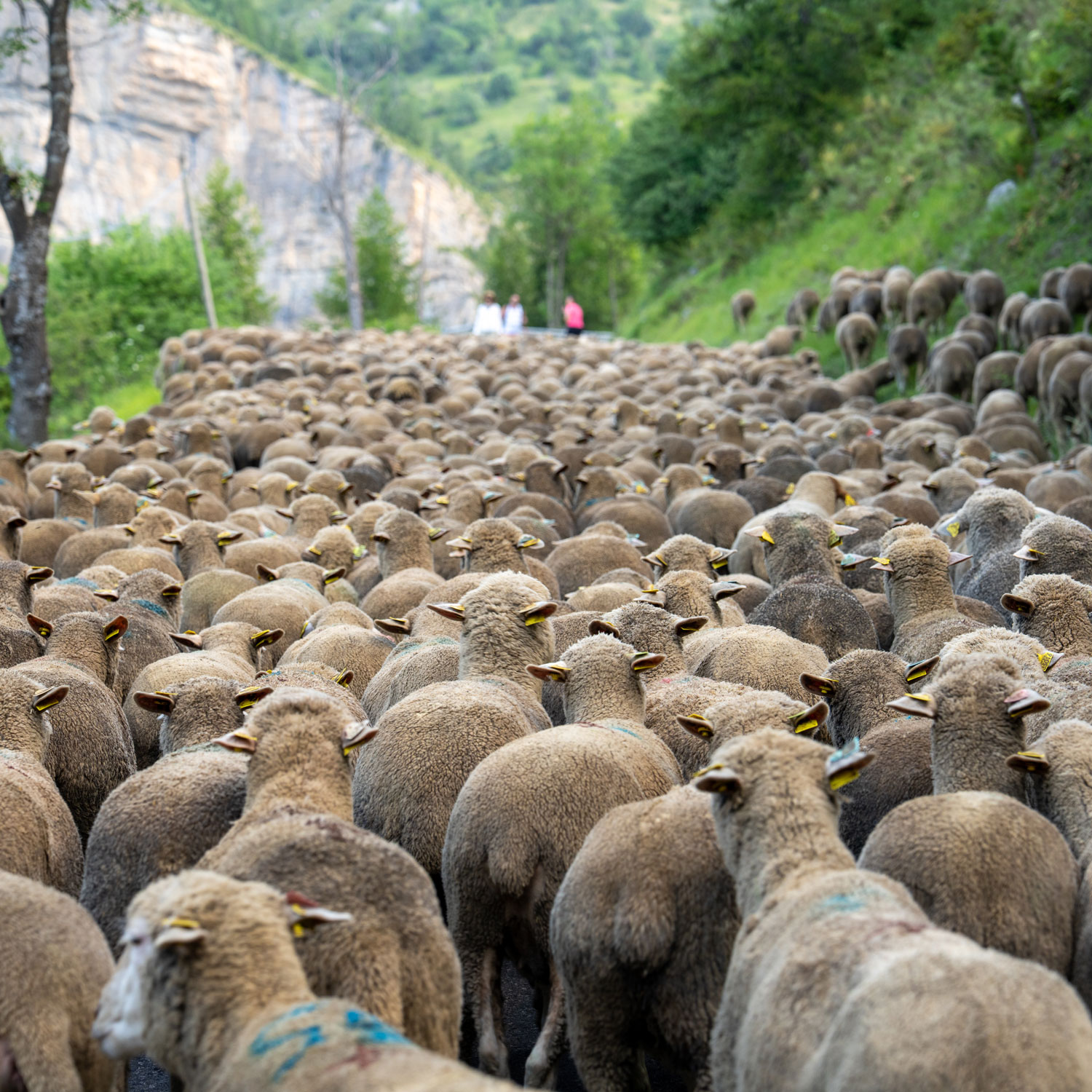
In France, the Domaine du Merle carries out the transhumance of its flocks to summer mountain pastures in the Parc national du Mercantour. Jim, a young shepherd, will look after the flock for three months, balancing environmental obligations with the pressures of predation.
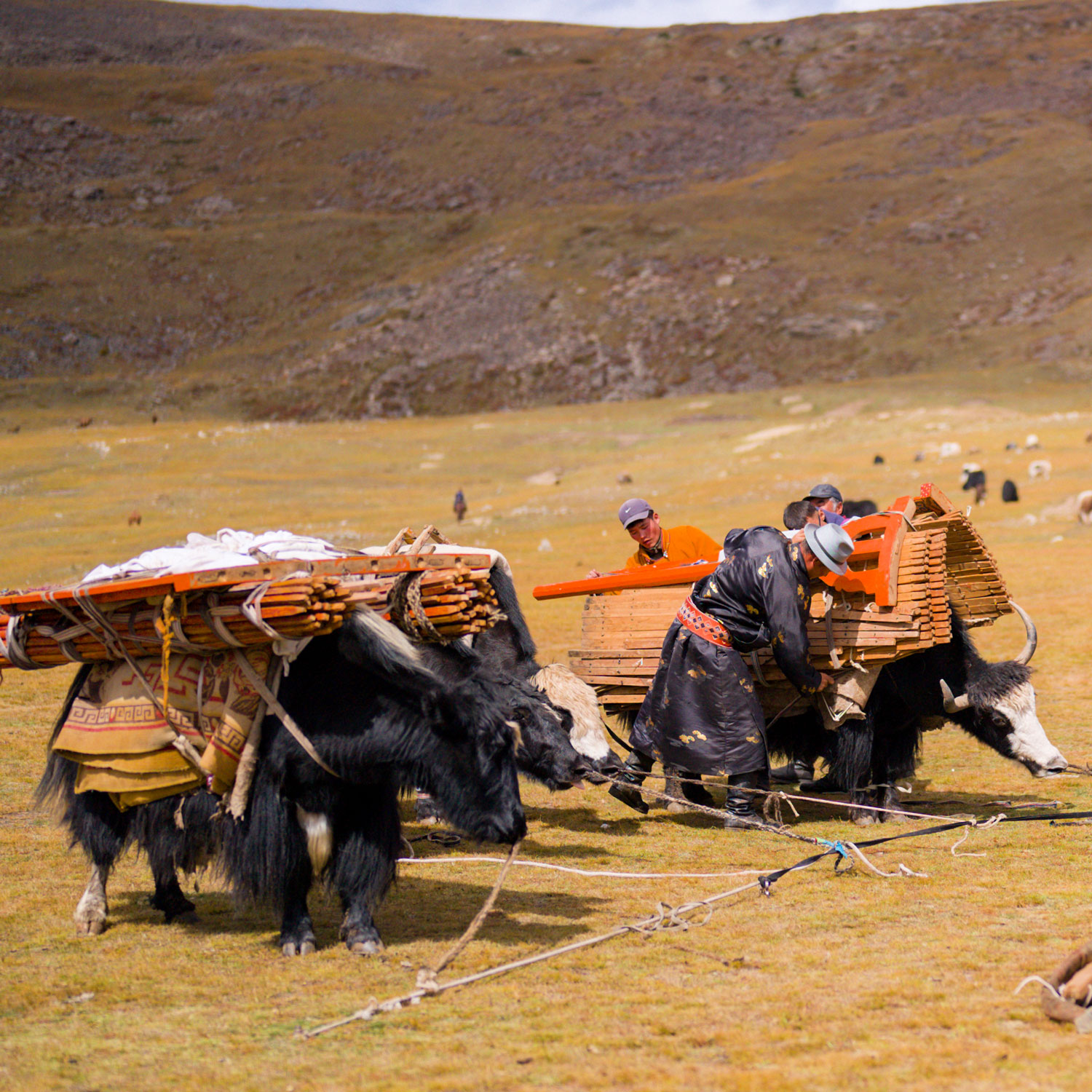
In Mongolia, Boldbaatar and his family have been raising yaks and horses for three generations in the Övörkhangai region. They move their yaks to the foothills of the mountains before winter to shelter them from the icy winds.
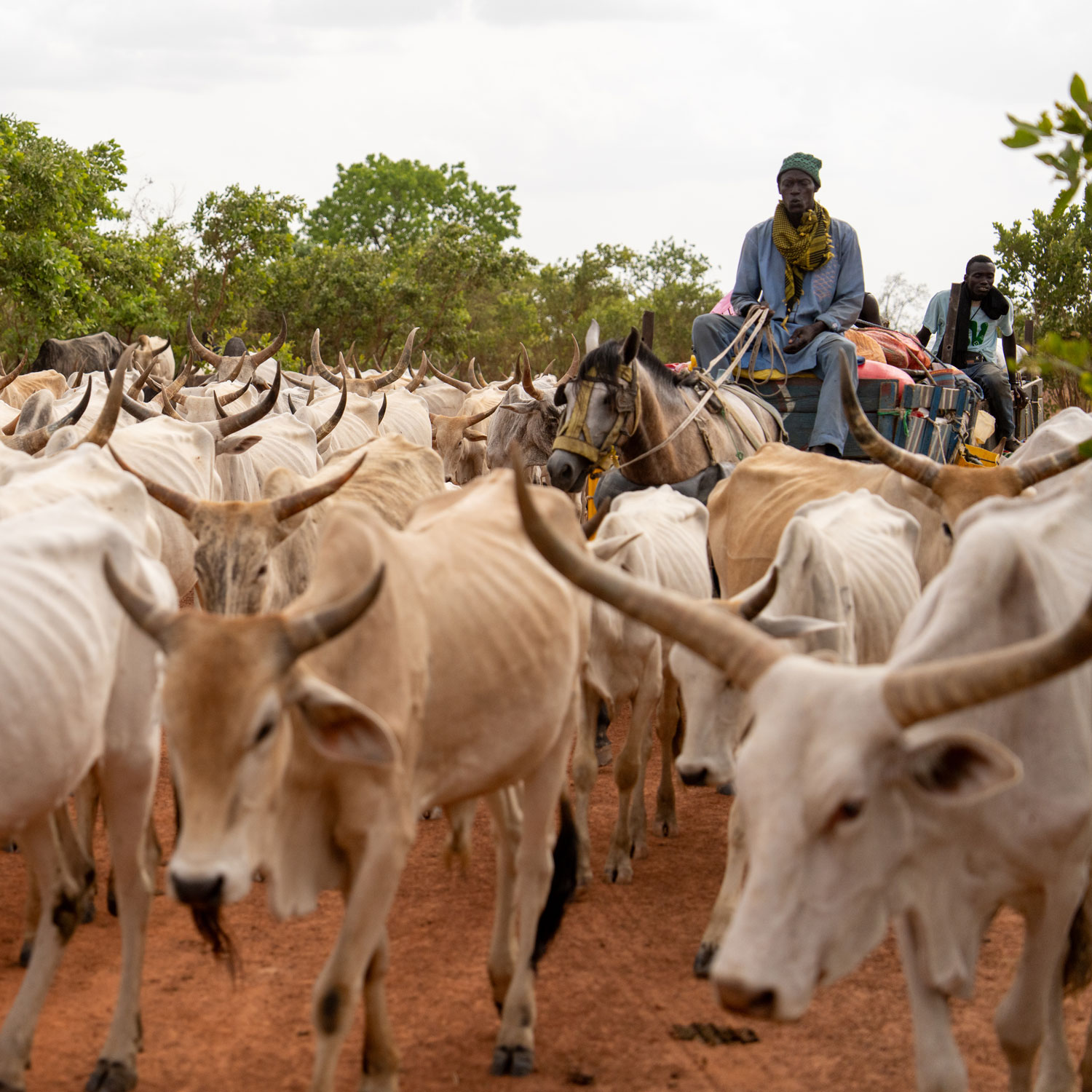
In Senegal, Ousmane is an agro-pastoralist from Bari Sine, a Serer village in the groundnut basin. In the middle of the dry season, he leaves his village in search of new pastures. His group must follow major road infrastructure and contend with significant insecurity along the way.
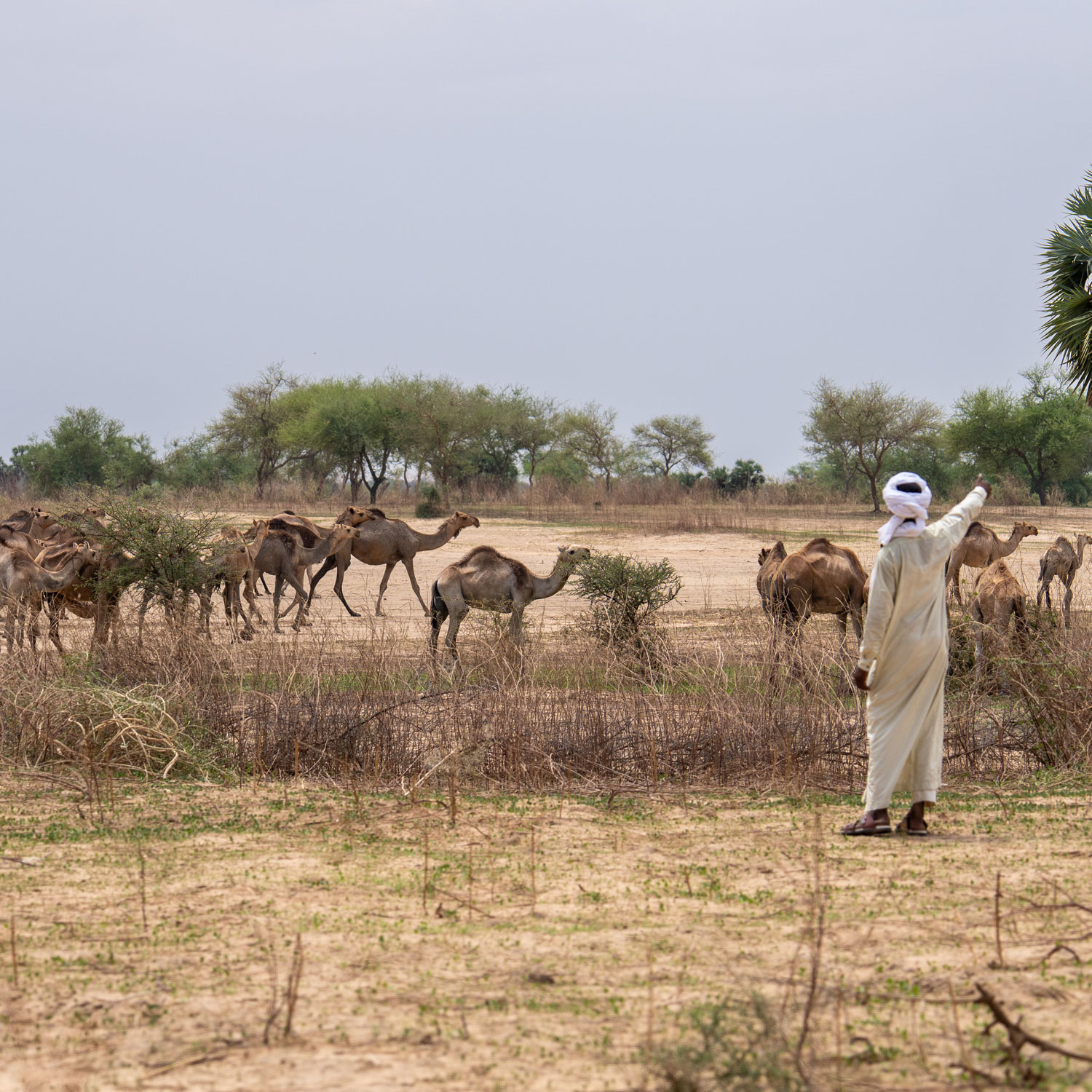
In Chad, Ismaïl Mahamat is a camel herder, heir to a long lineage of Arab Ouled Rachid camel drivers — a subgroup of the Abzaïdes. Their herd is dominated by dromedaries. The family travels nearly 1,500 km but faces increasing pressure from the expansion of agriculture.
Would you like to learn more about the International Year of Rangelands and Pastoralists?