
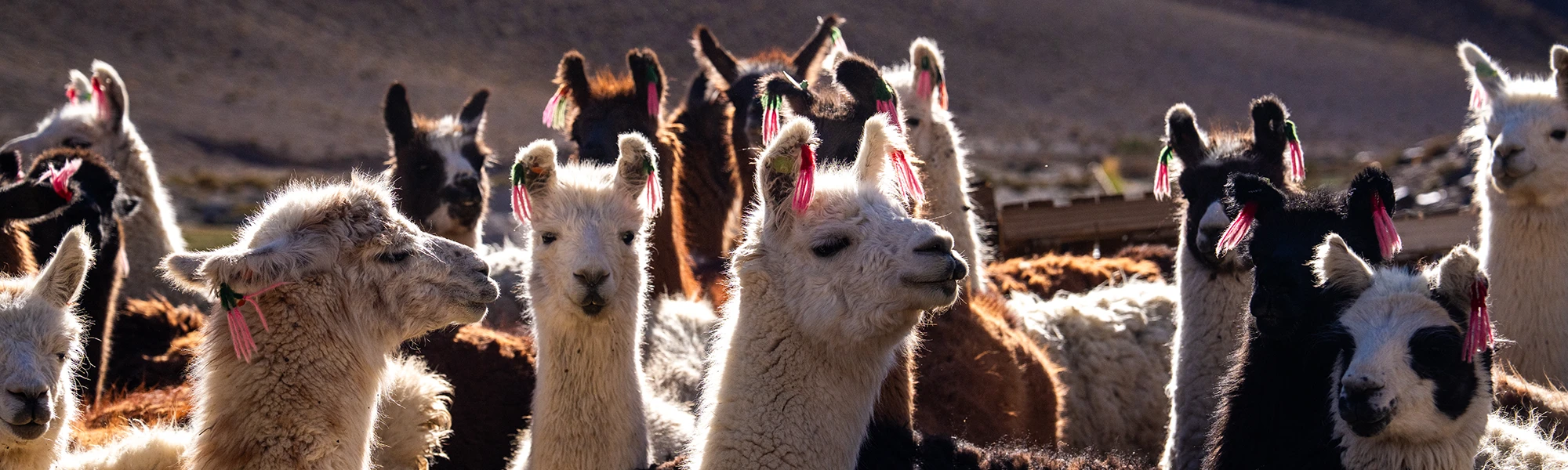
Llamas above the clouds: a transhumance in the puna of Argentina
In the puna of Argentine, llama herding is an emblematic activity threatened by climate change and rural exodus. A few herders still raise these animals using traditional rotación practices — small-scale mountain transhumance movements.
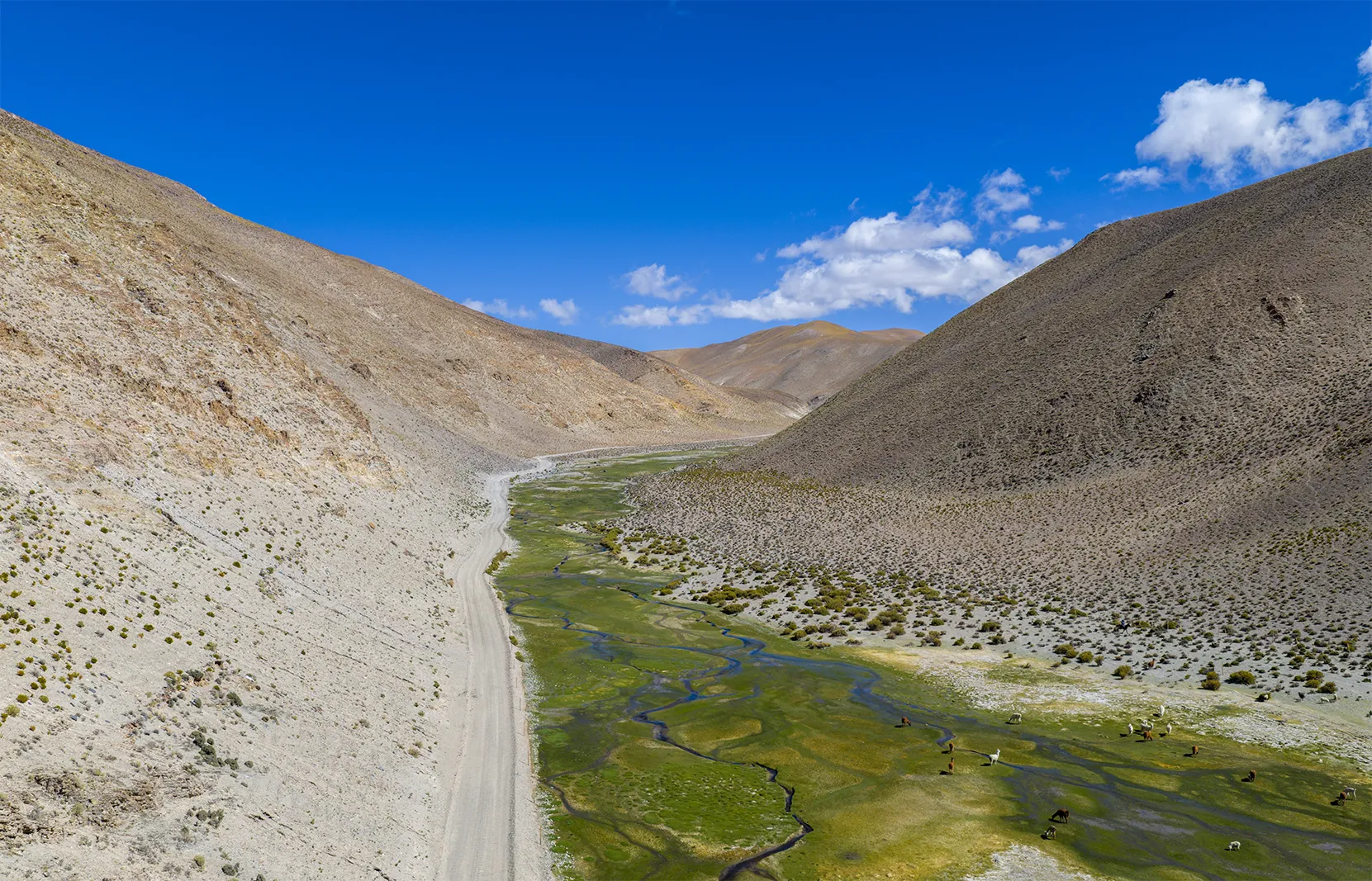
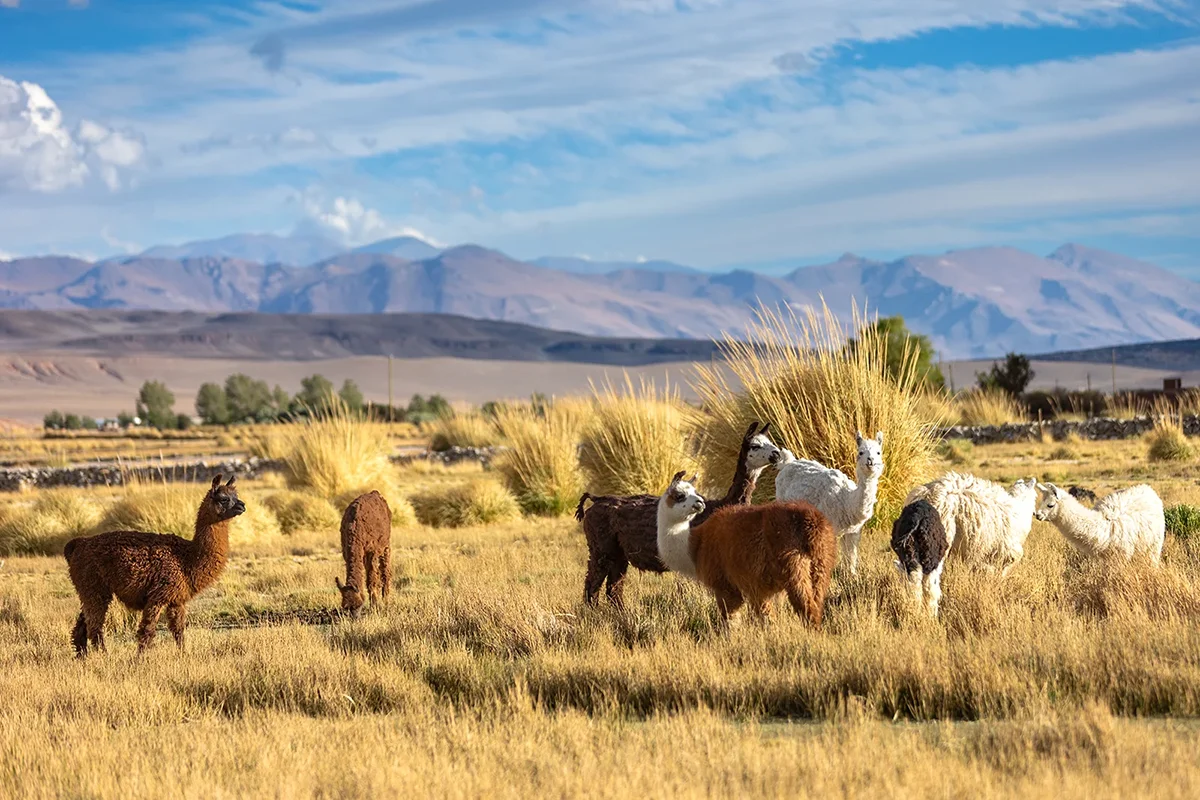
Each season, these herders move their animals between pastoral huts (puestos) to reach oasis-like pastures (vegas) located along spring-fed areas that run through arid valleys. This form of transhumance is among the least known in the world.
Heading to Antofagasta de la Sierra (Catamarca, Argentine) to meet Don Pascual.
Interview with Don Pascual
Don Pascual: a life with llamas
Don Pascual has been a llama herder for 40 years. He inherited the farm from his father and gradually developed it by acquiring pastoral huts in the mountains.
“It’s my family’s story — knowledge passed down from generation to generation. I carry on to preserve this way of life and leave a legacy for my children.”
Don Pascual lives with his wife and three children between the village of Antofagasta de la Sierra and his farm, about ten kilometers away. He manages this llama and sheep herd alongside his work as a cabinetmaker. His son Pedro helps him every day, despite a busy schedule split between his job with a mining company and tourism-related activities.


Llama rotación: a journey through a network of pastoral huts
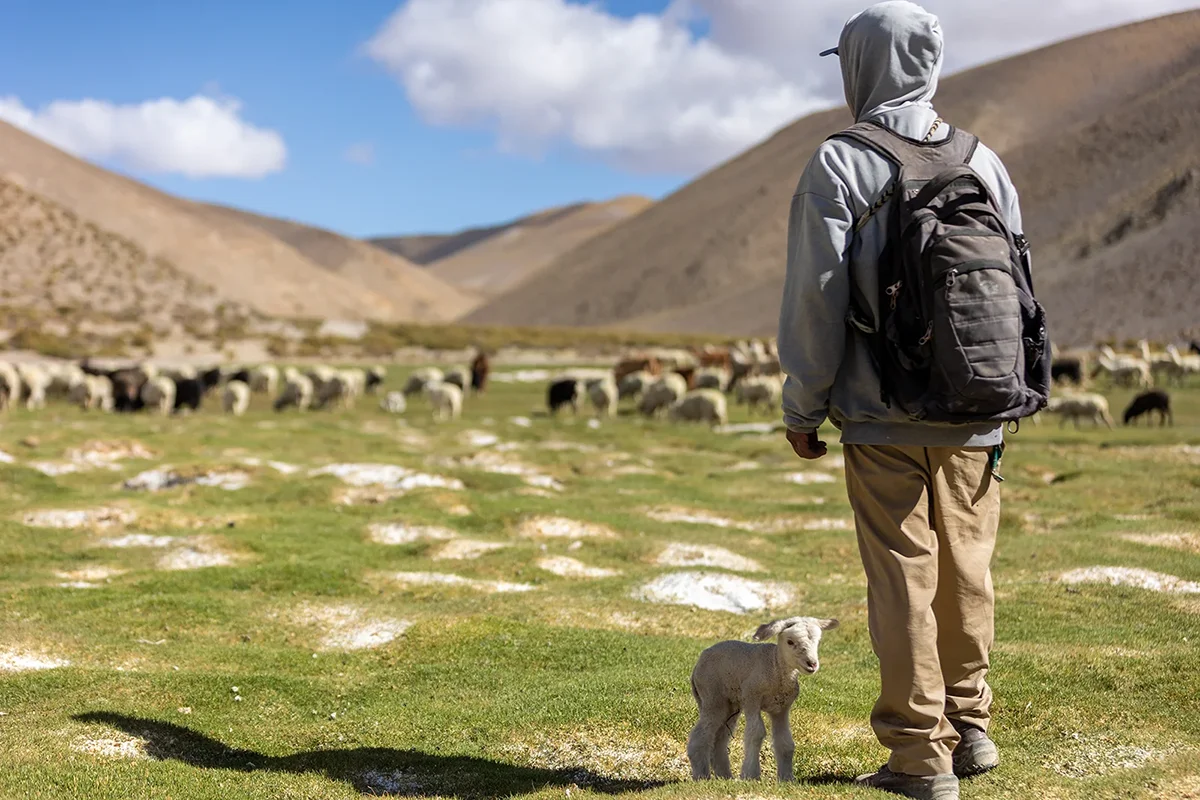
Don Pascual continues to practice rotación with his herder, Juan Gabriel, who has worked with him for the past two years. This pastoral mobility involves moving between pastoral huts (puestos) and therefore between different grazing areas (vegas). Don Pascual owns three huts spread within a ten-kilometer radius, allowing him to move his herd according to the quality of the pastures.
This form of transhumance is gradually being abandoned in the face of growing economic, social, and climatic challenges.
“Many people are leaving for the cities. Here, almost only the elders remain to look after the llamas. Little by little, this activity is losing its caretakers […] The llama is a symbol of our region. If herding disappears, part of the puna’s identity will disappear as well.”
Improving market access to cope with climate change
For Don Pascual, high-mountain llama herding needs stronger connections to markets. Wool remains poorly valued, and meat struggles to reach major cities due to a lack of adequate livestock infrastructure. Don Pascual and other herders have formed cooperatives to improve wool marketing. Despite these efforts, production costs are rising as grazing lands become scarcer with changes in water cycles.
« Chaque année, les zones de pâturage diminuent. Il y a moins de pluie, moins d’herbe. Avant, j’avais jusqu’à 400 lamas. Aujourd’hui, j’ai dû réduire le troupeau, sinon les coûts deviennent impossibles. Le changement climatique nous affecte énormément. Sans soutien, l’activité devient très difficile à maintenir. »


A message to future generations
Don Pascual is not just a llama herder. He is a community leader in the municipality of Antofagasta de la Sierra and represents the PastorAmericas association. This regional initiative brings together herders’ organizations, researchers, NGOs, and public institutions from across Latin America to promote pastoral and agropastoral systems. Don Pascual has devoted his life to promoting his region and way of life, and he hopes that future generations will continue his work.
“I would like to send a message to those who read these words: don’t give up. Let’s keep going. Let’s pass this activity on to young people and restore its value. We are still trying to preserve it, as our ancestors did. Let’s keep it alive.”
(Don Pascual, 2025)
Immersive 360° transhumance
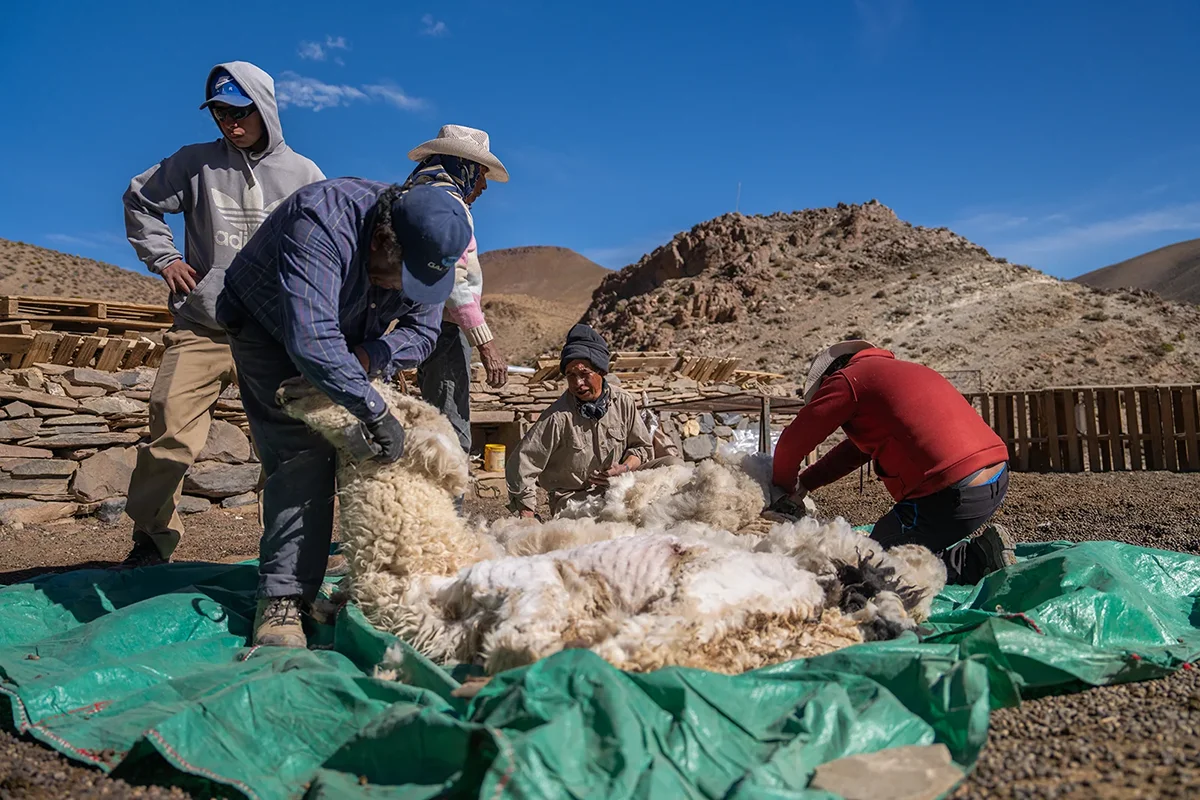
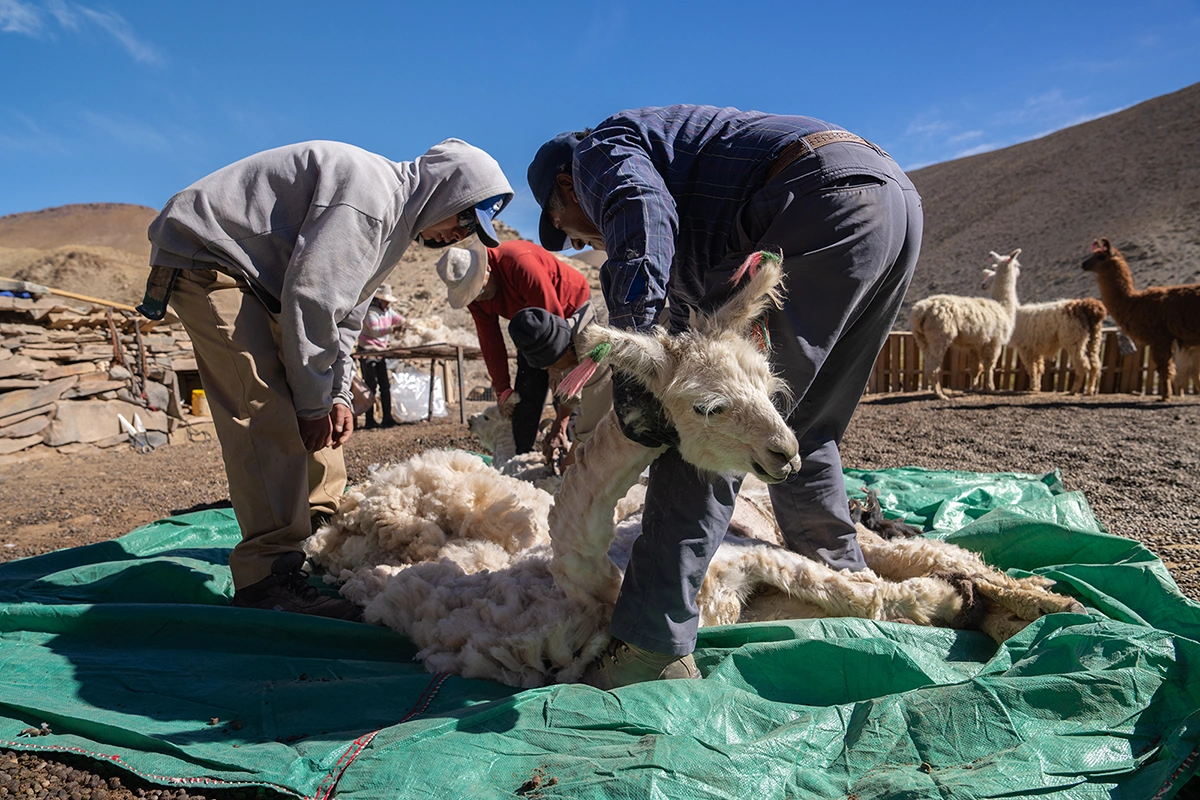
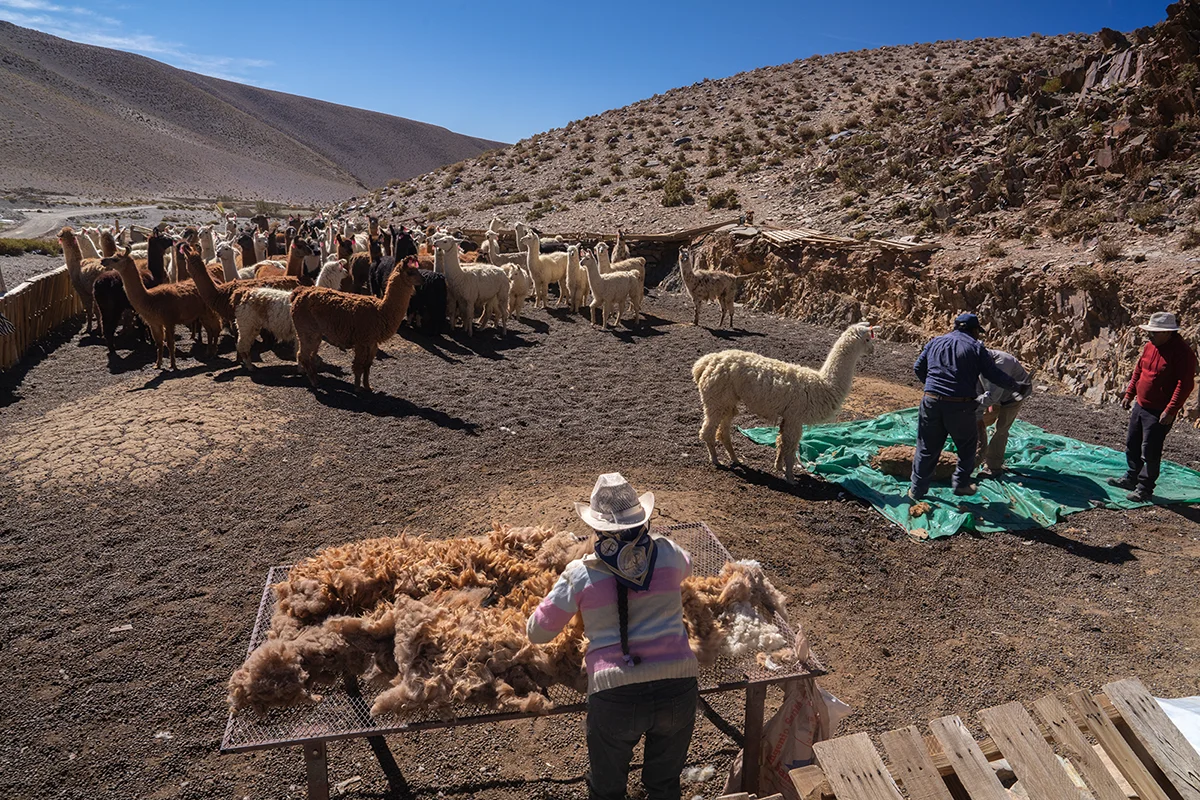
The immersive 360° film captured the summer herd movements (December 2025). It begins at the main puesto with Don Pascual and Juan Gabriel, introduces the shearing of llama wool, and concludes with the rotación toward the new puesto.
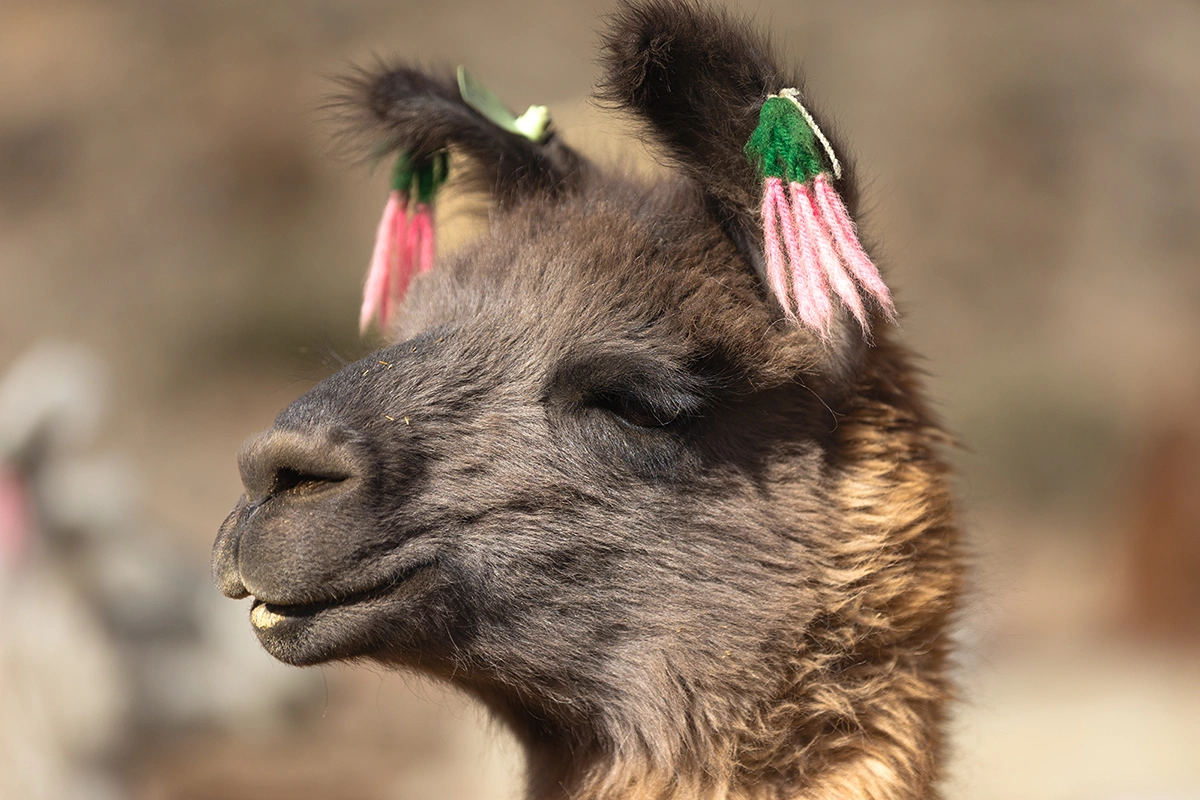
A photographic slideshow documenting the transhumance
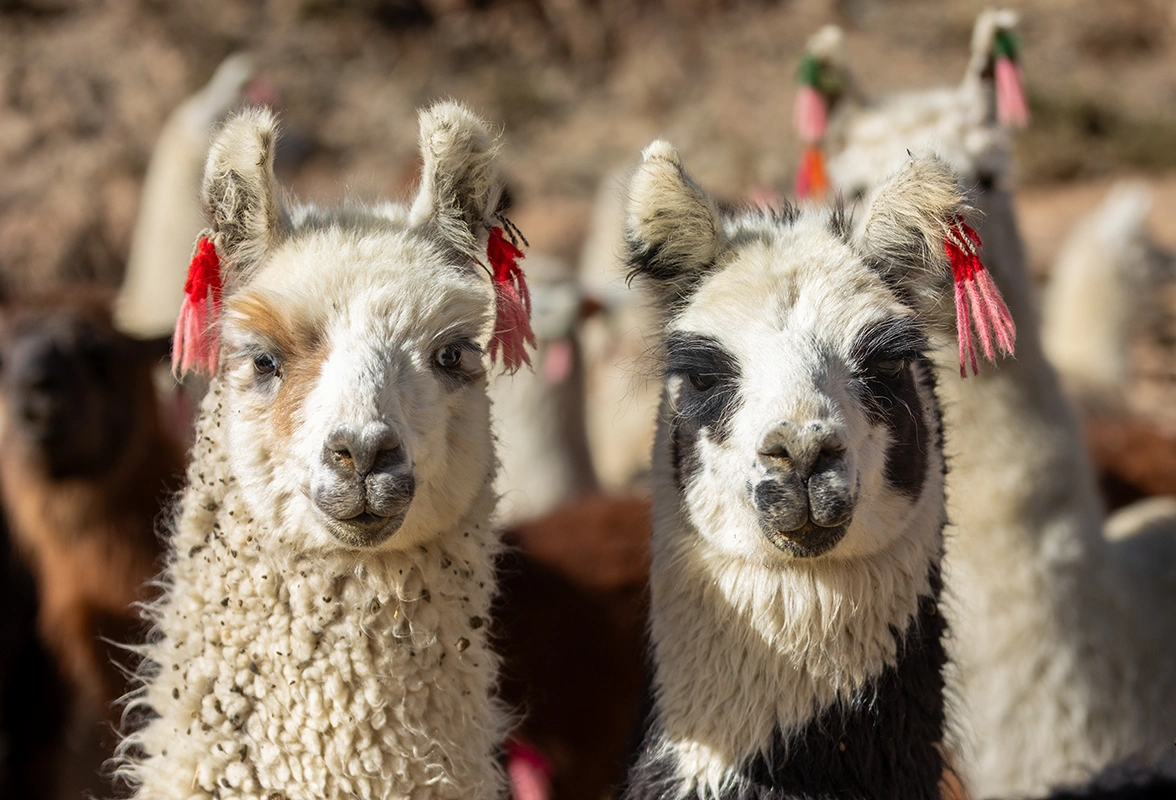
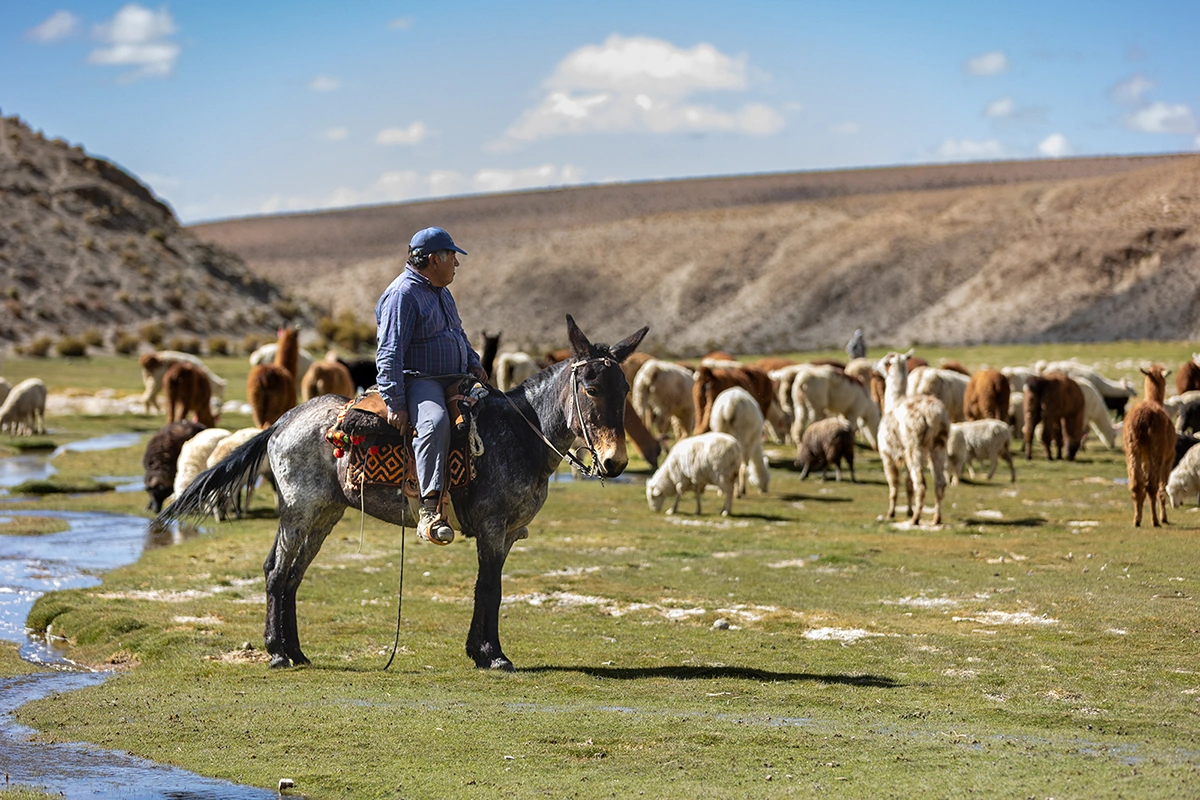
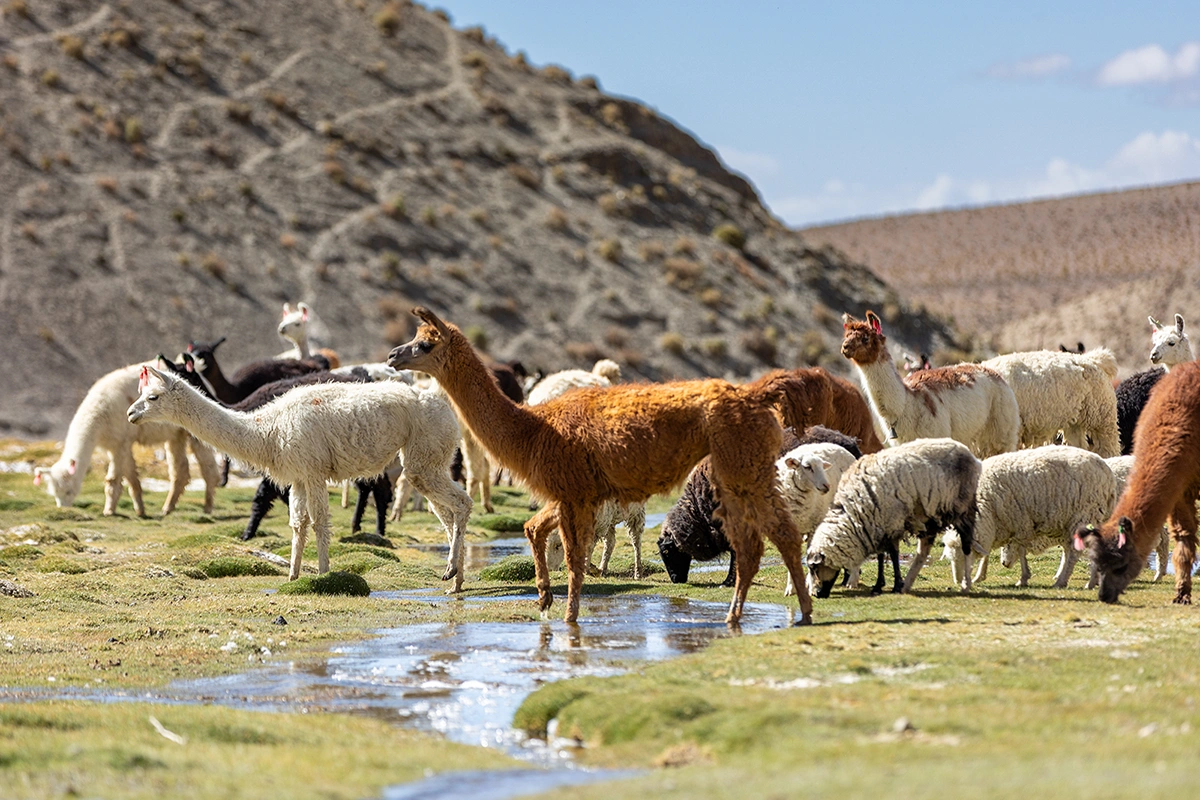

Argentine, a partner in the Global Agenda for Sustainable Livestock network
This filming would not have been possible without the organization and expertise of Dr. Mariana Quiroga Mendiola from Instituto Nacional de Tecnología Agropecuaria (INTA). A researcher and specialist in pastoral systems and high-altitude natural rangelands, particularly in northwestern Argentina.
Mariana is a founding member of the international PastorAmericas network, a cooperation platform dedicated to promoting pastoral systems in Latin America. She also co-chairs, together with CIRAD, the Action Network “Restoring Value to Grasslands” within the Global Agenda for Sustainable Livestock. This international group, supported by the Food and Agriculture Organization of the United Nations, works to highlight the ecological, social, and economic functions of natural grasslands at a global scale.
The case of llama herders is particularly emblematic of the profound transformations affecting the sustainability of pastoral livestock systems around the world.