Following roads to avoid fields: the dangers of peri-urban transhumance in Senegal.
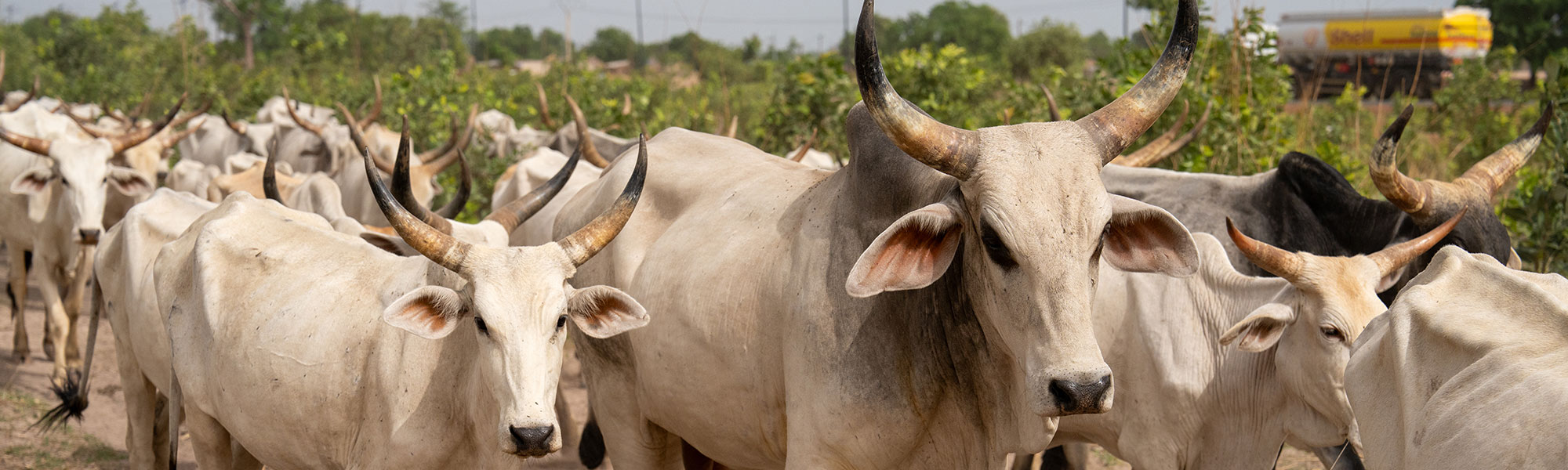
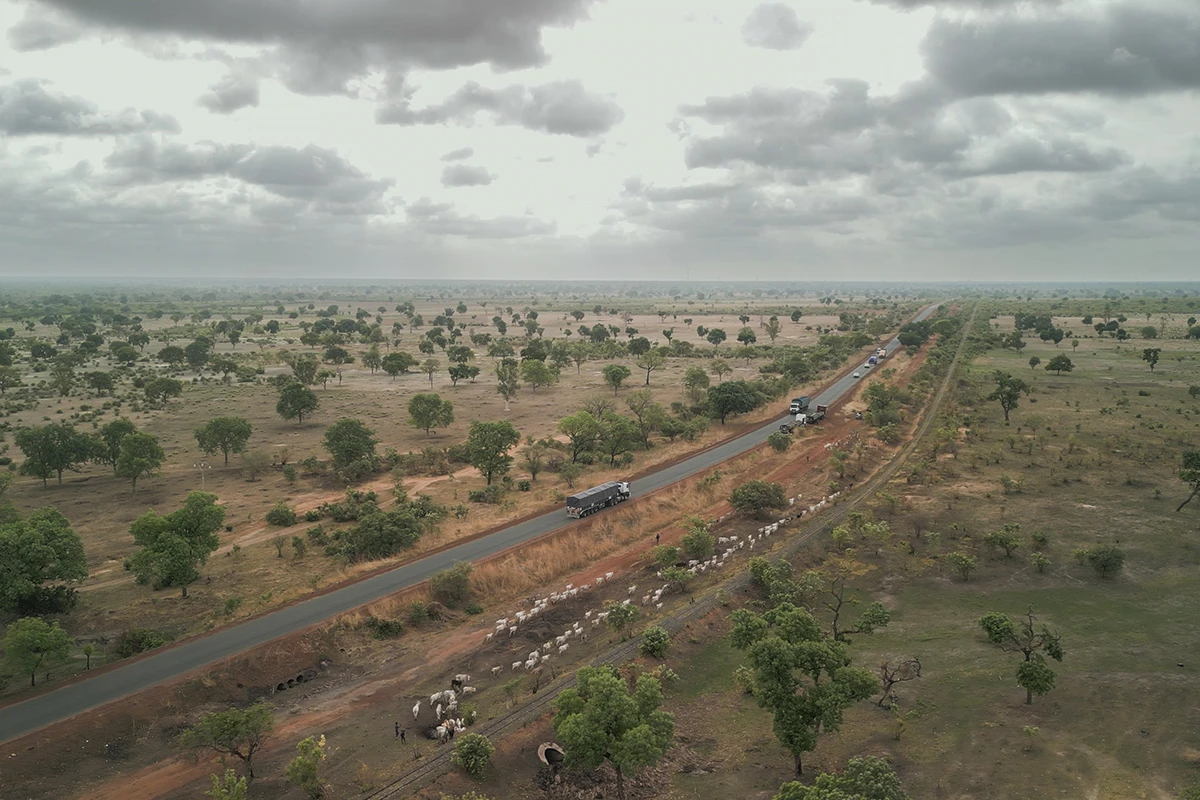
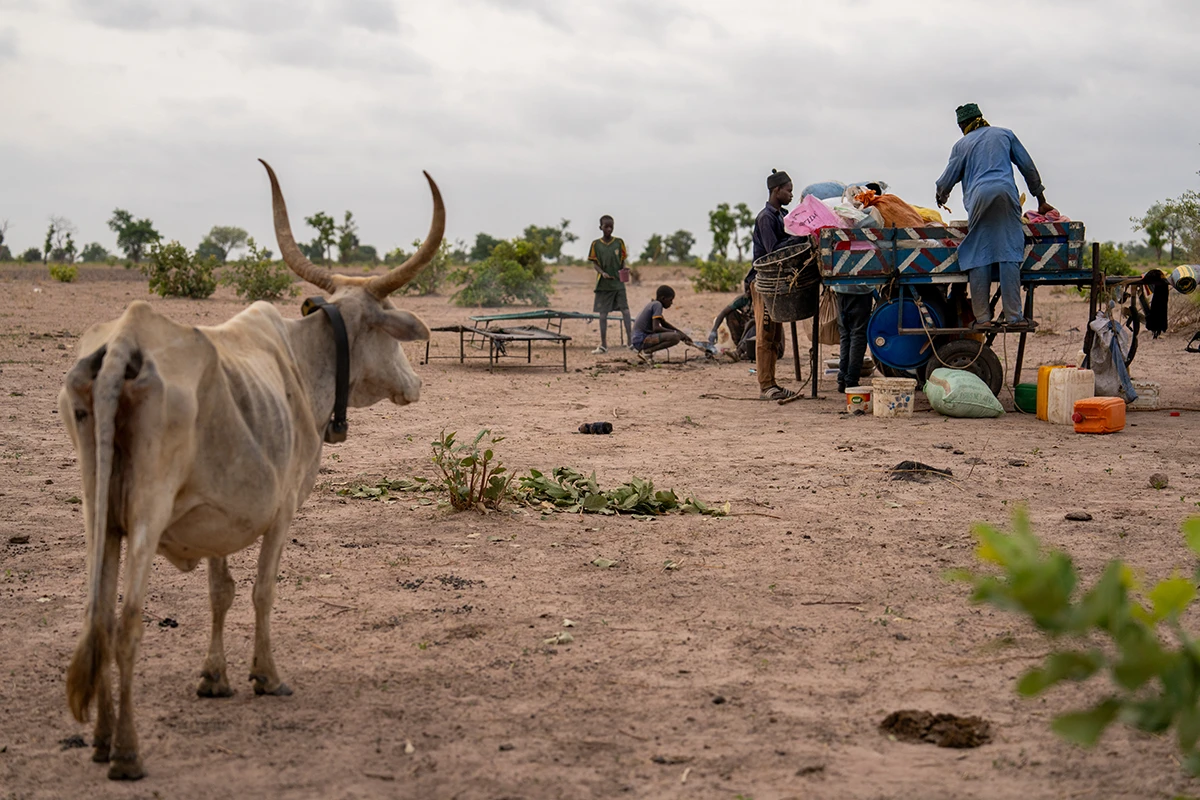
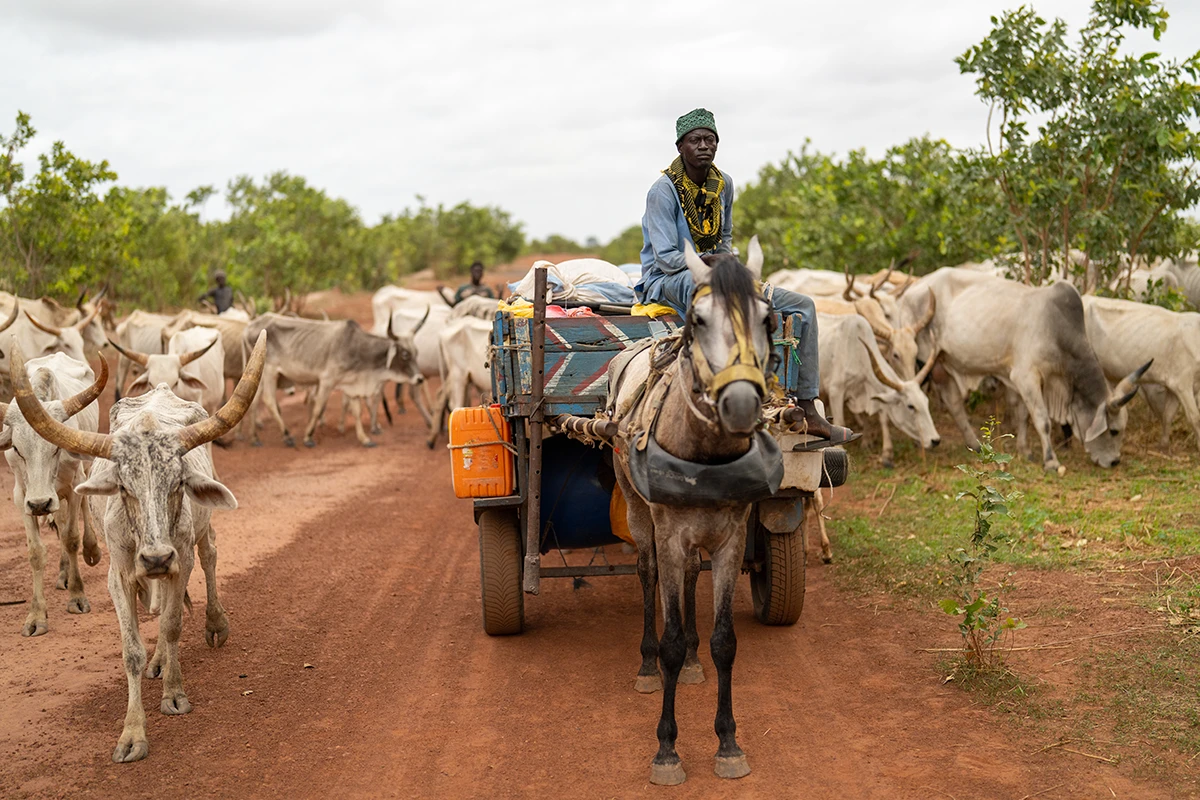
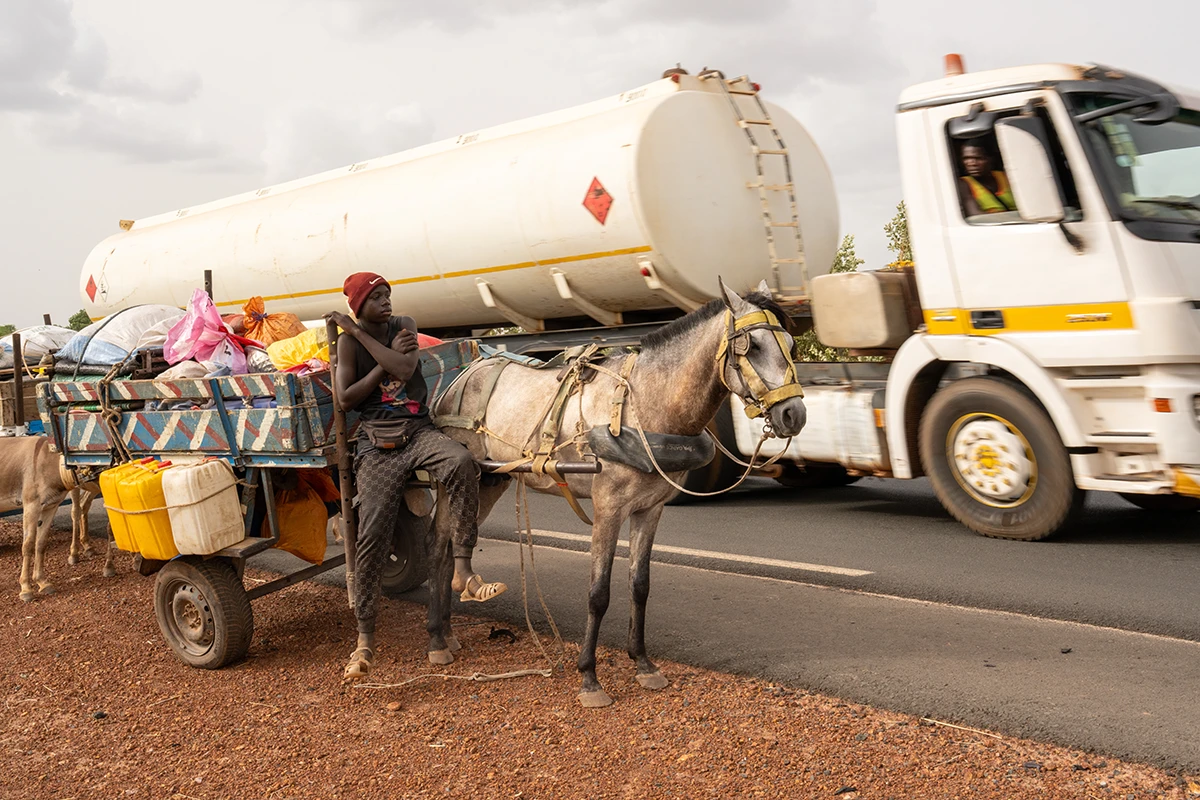
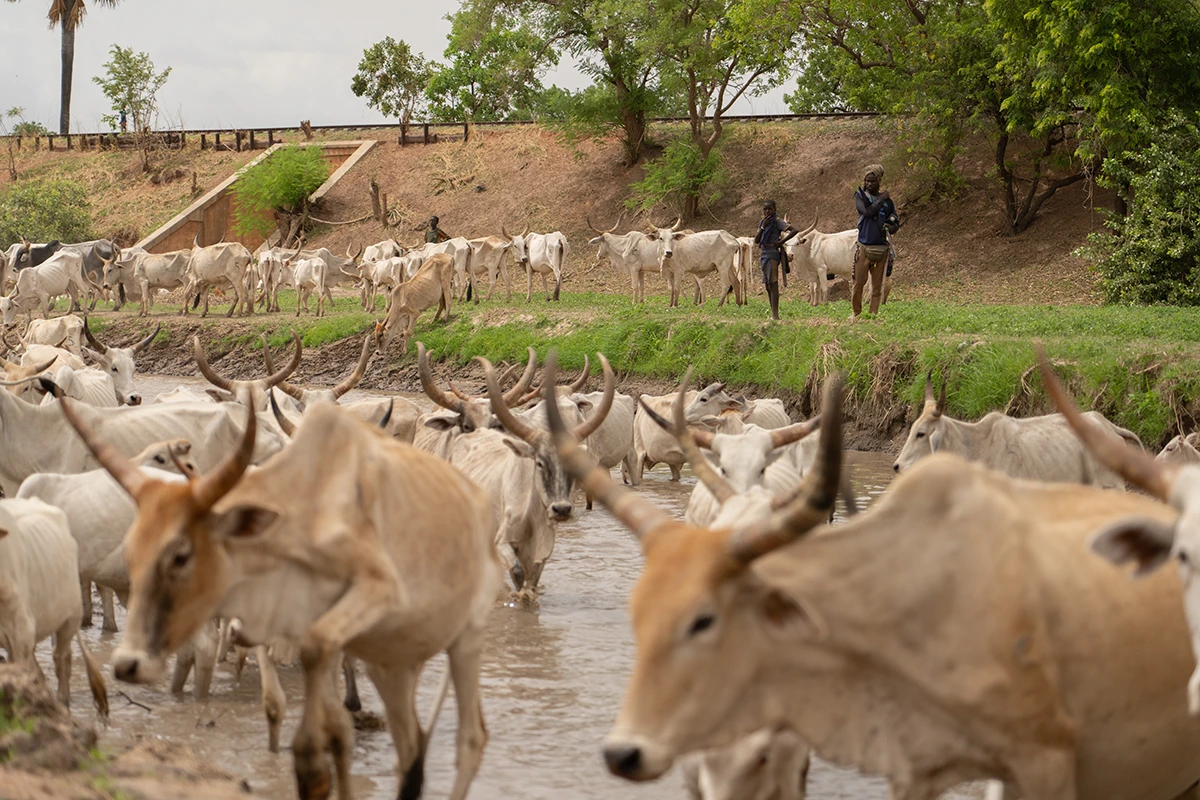
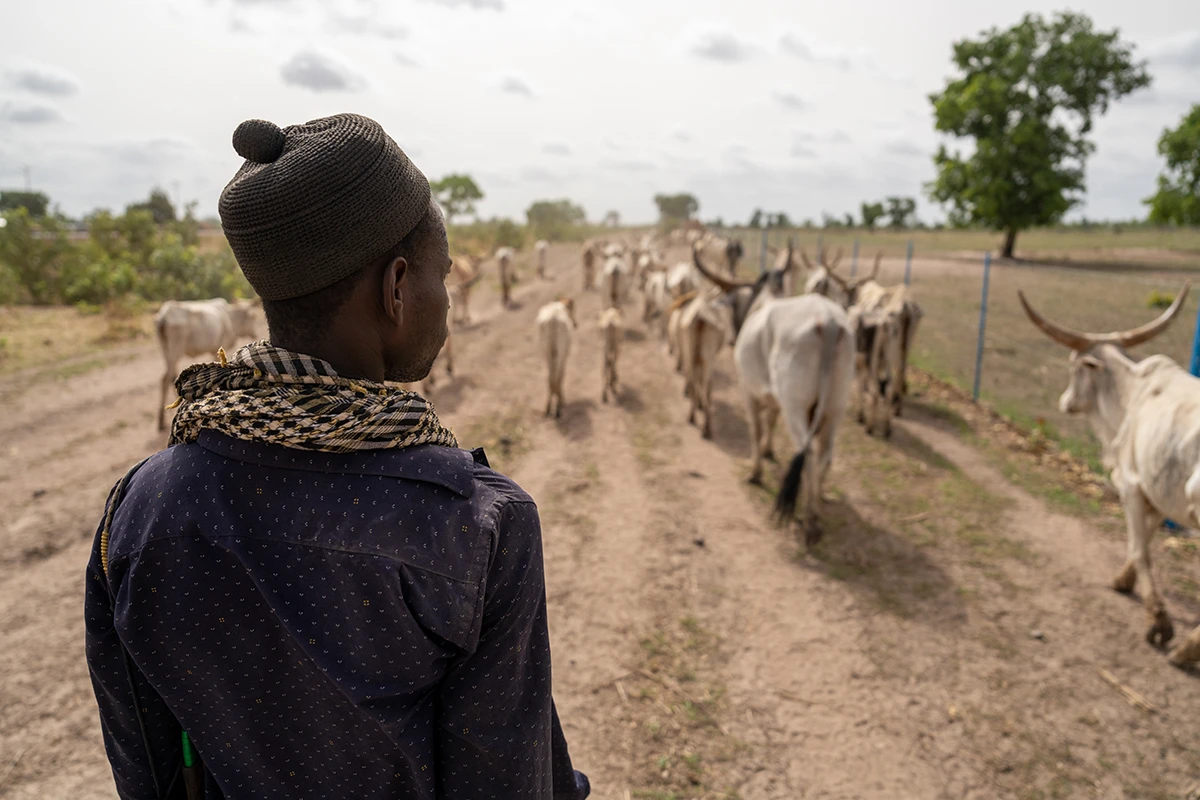
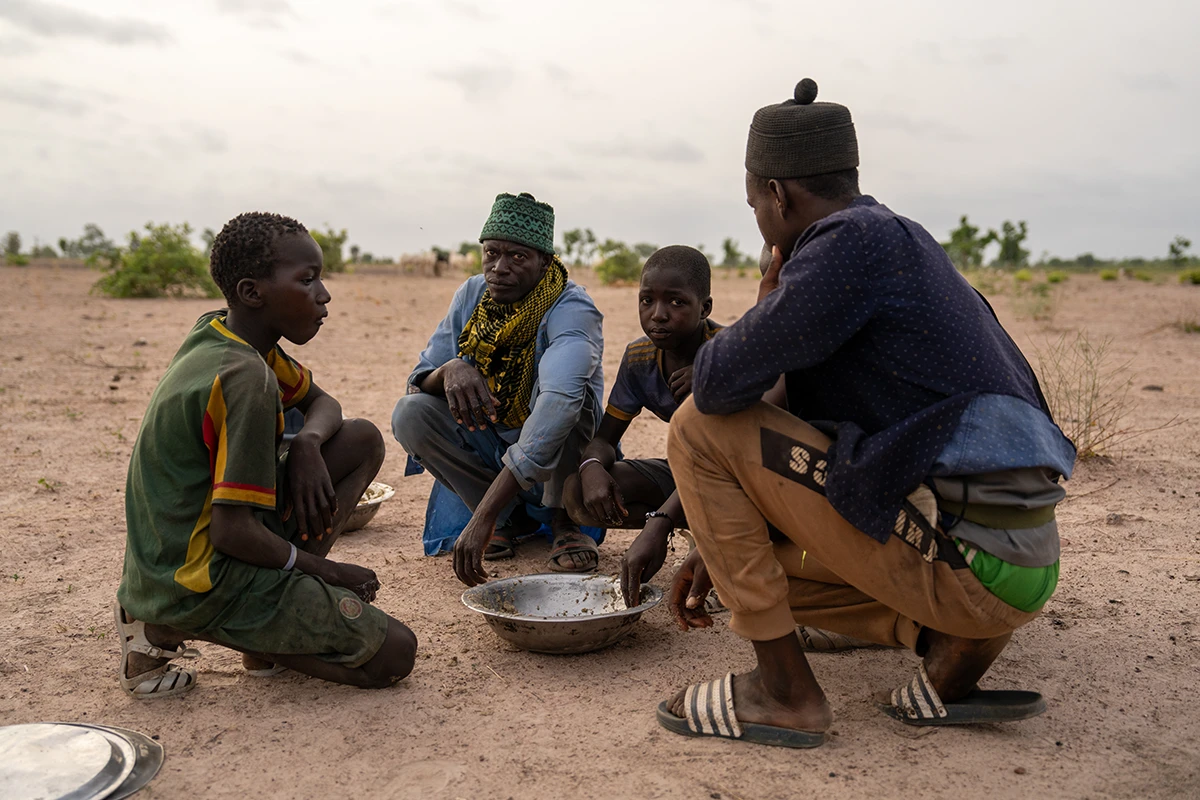
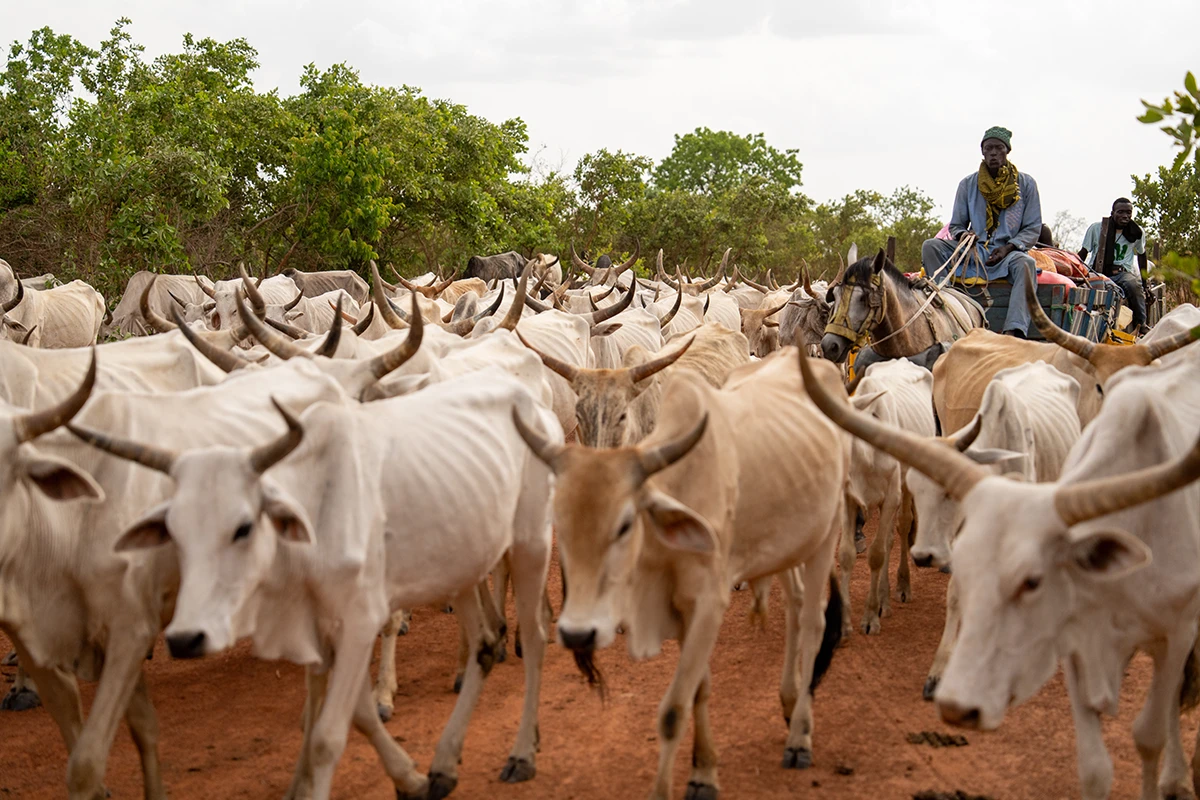
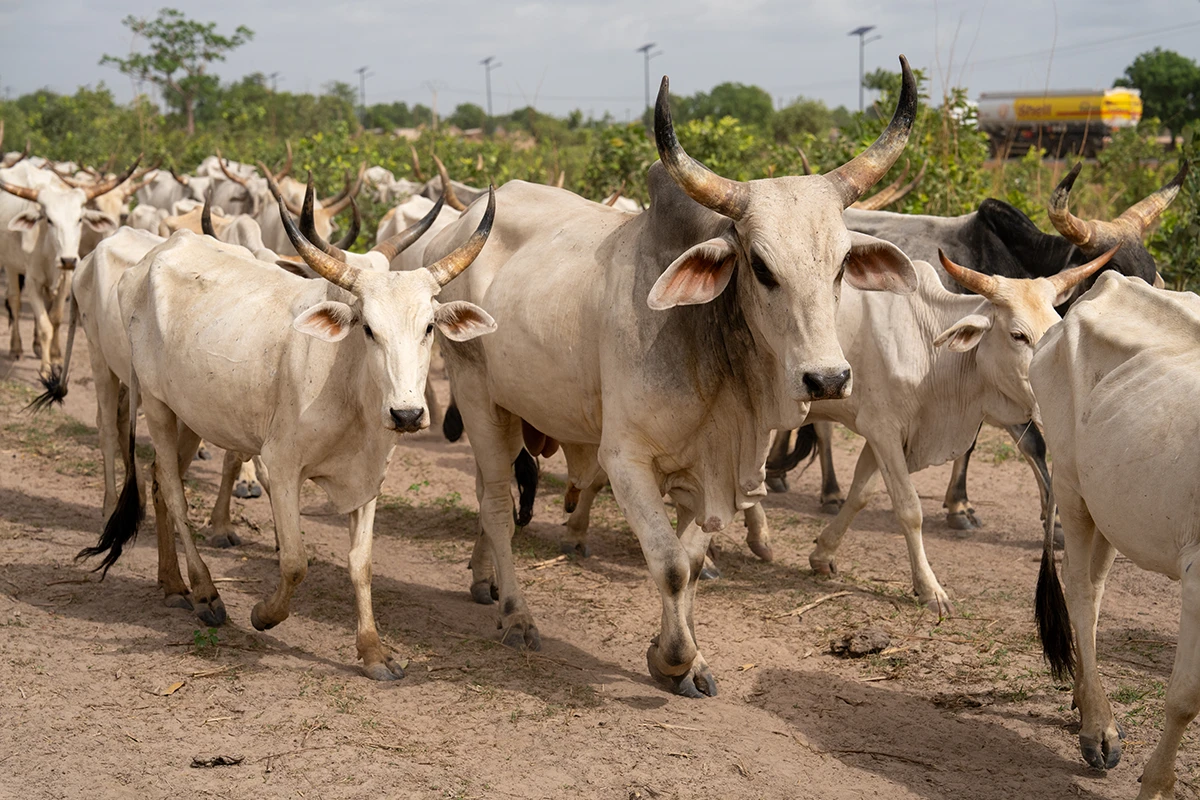
The herd stretches out along the road where heavy trucks speed past at full throttle. The cattle, their ribs showing, move forward slowly, accompanied by a few donkeys. Three of these small equids pull a cart driven by the herders. Ousmane keeps a watchful eye on the herd, as transhumance is not without risk.
Interview with Ousmane Faye, zebu herder
Ousmane, agropastoralist from the Groundnut Basin.
Ousmane is an agropastoralist in Bari Sine, a Serer village in the Groundnut Basin of Senegal. He was born there, and it is where he learned livestock herding from his father and uncles. His herd — a little over a hundred head — is not ‘his’ herd alone: it belongs to the whole family. Each person owns animals, but they are managed together, like a shared heritage that is collectively protected.
“The animals are forced to go on transhumance because our village lands are saturated with crop fields; the herd cannot stay there during the rainy season.”
Every year, around March and April, Ousmane leaves his home territory. The herd, meanwhile, has already departed earlier. They head toward Tambacounda, then further north to the Ferlo when the first rains begin.


The dangers during transhumance
To leave the Groundnut Basin, Ousmane has to face several risks: crop fields, the road, and cattle theft.
“Moving the herd along the edge of the national highway is also a real danger for us. This year, I abandoned my usual route because of the expansion of cultivated fields, to avoid the animals straying.”
He also tries to prevent the animals from straying into crop fields. Tensions with farmers are frequent. Land is shrinking, the population is growing, and even the slightest intrusion can escalate. Added to these difficulties is a more recent danger: cattle theft, which has become frequent and sometimes violent.
Transhumance is a school of life
For him, livestock keeping remains the only economic refuge. But he knows this life is very hard. He hopes that one day his children will have other choices: to study, to migrate, to find a less demanding occupation. He tells us:
“Transhumance is a school. It teaches you to be patient, to adapt, and to observe nature. Whatever happens, you have to hold on.”
Despite everything, Ousmane carries on. He says that walking with his animals, breathing the morning air, and hearing his cows chewing their cud give him the strength to keep going. After passing through Tambacounda, Ousmane will head toward the Ferlo to take advantage of the new pastures. He will return to his home territory only between November and December, after many long months away.


GPS tracking of herds: understanding mobility in the Sahel
For more than ten years, herds from the Groundnut Basin — including those from Bari Sine and Diohine — have been fitted with GPS collars to analyze their movements across the seasons.
Initiated under the DSCATT and CASSECS projects, this monitoring documents mobility strategies, access to pastures, walking durations, and areas of potential conflict.
The results of this monitoring help to better understand herders’ mobility strategies. GPS data reveal extremely extensive movements, sometimes covering up to two thousand kilometers within a single year. Thanks to this monitoring, the Pôle Pastoral Zones Sèches (PPZS) is better able to advise authorities on the infrastructure and planning measures needed to support transhumant herders.
Immersive 360° Transhumance
This transhumance was filmed in July 2025 near Tambacounda (Senegal), just before the start of the rainy season.
A photographic slideshow documenting the transhumance
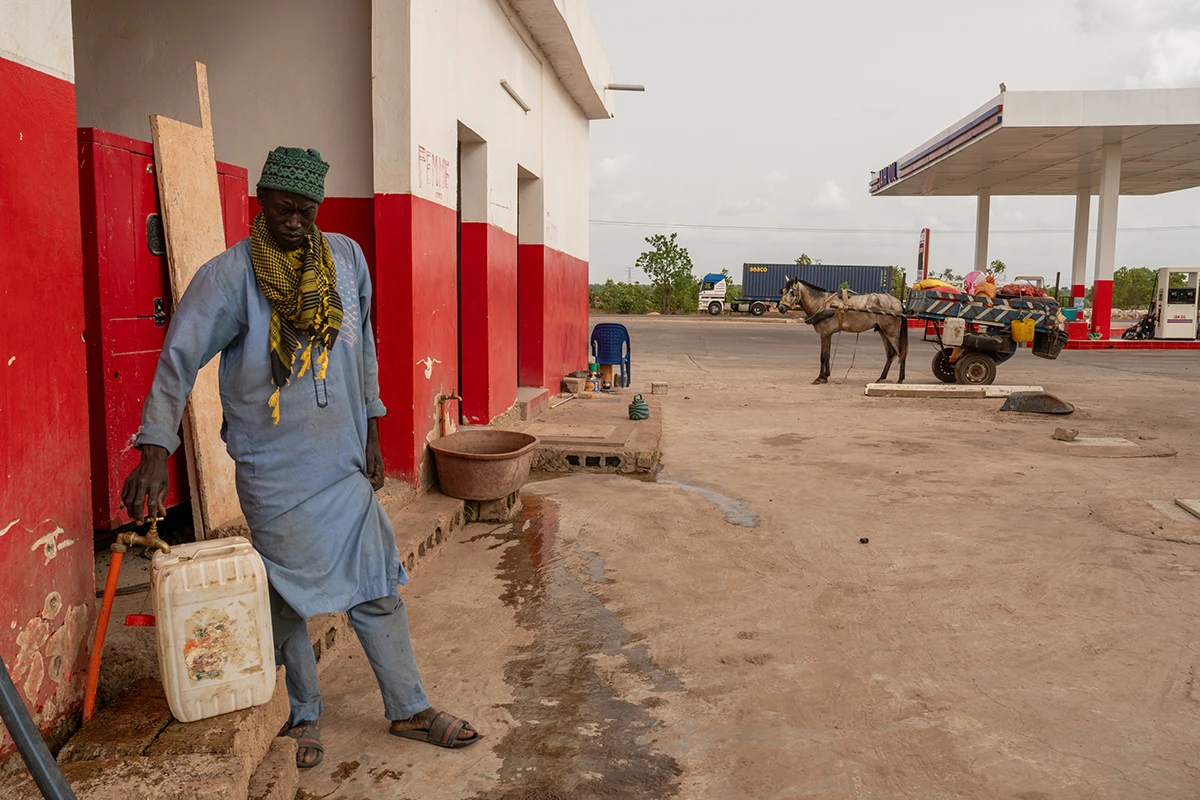
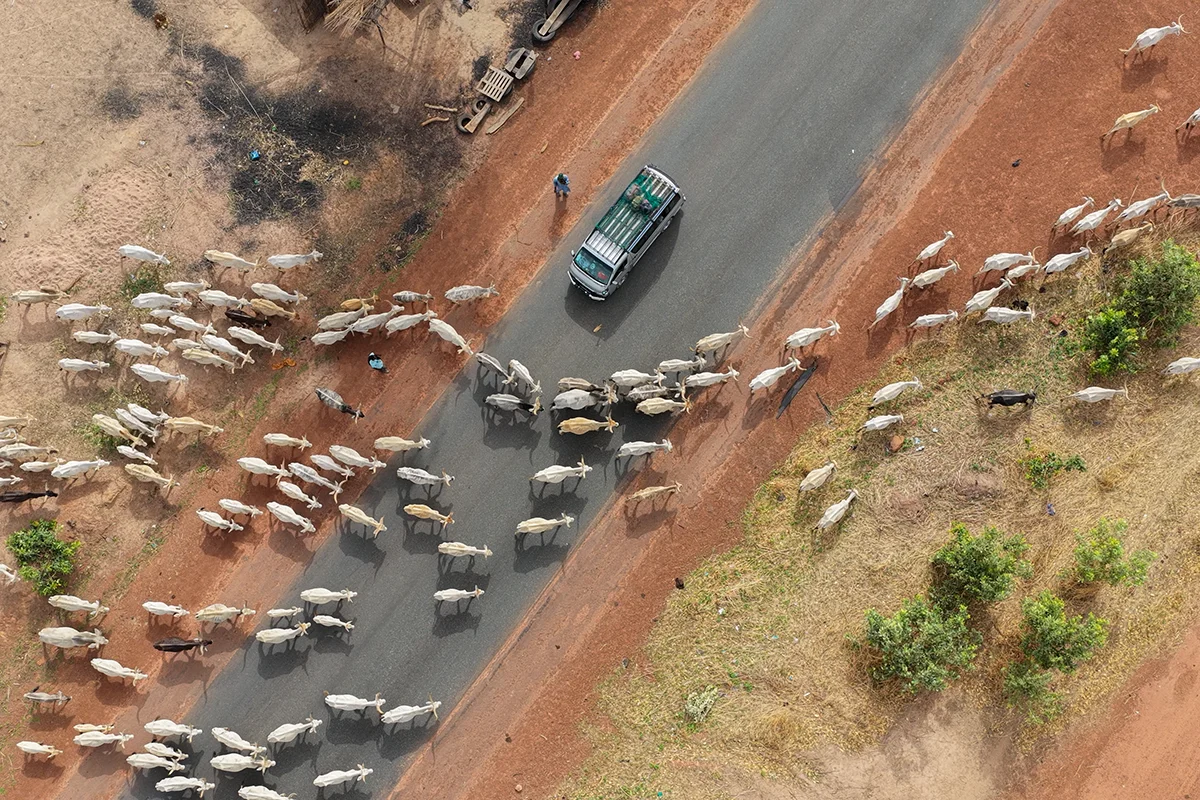
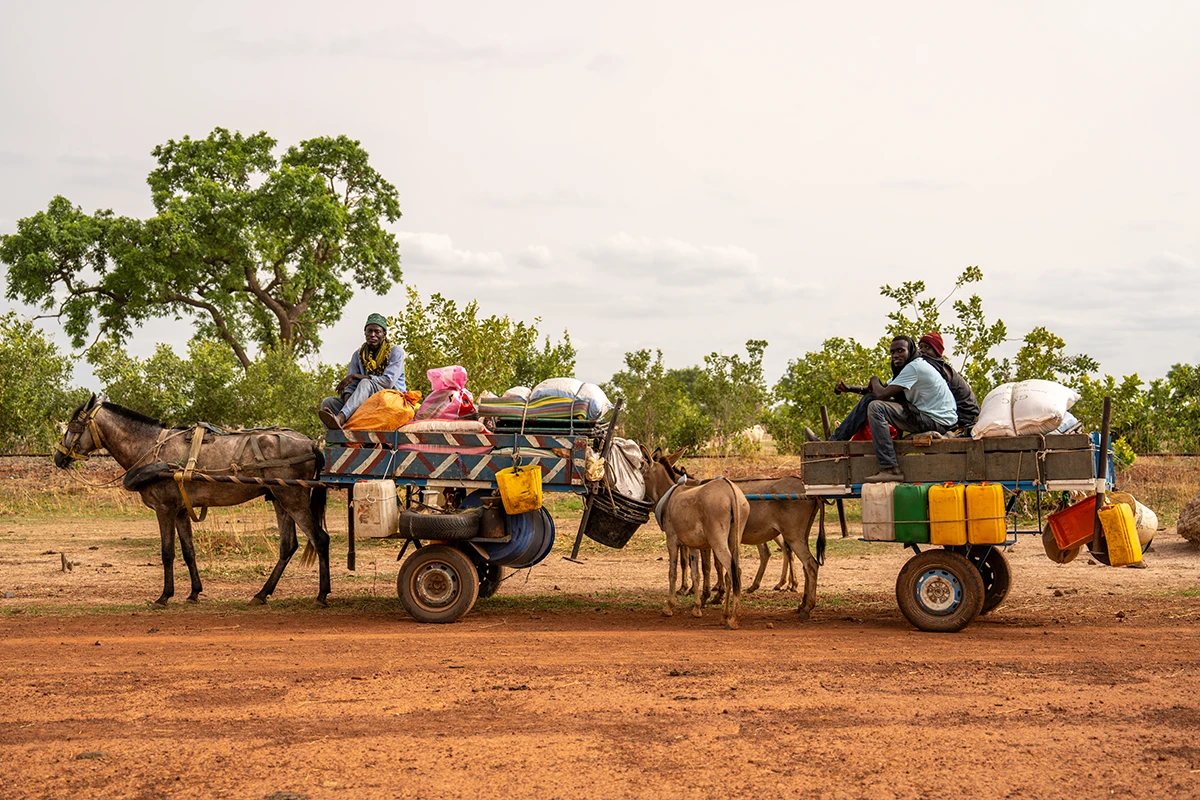
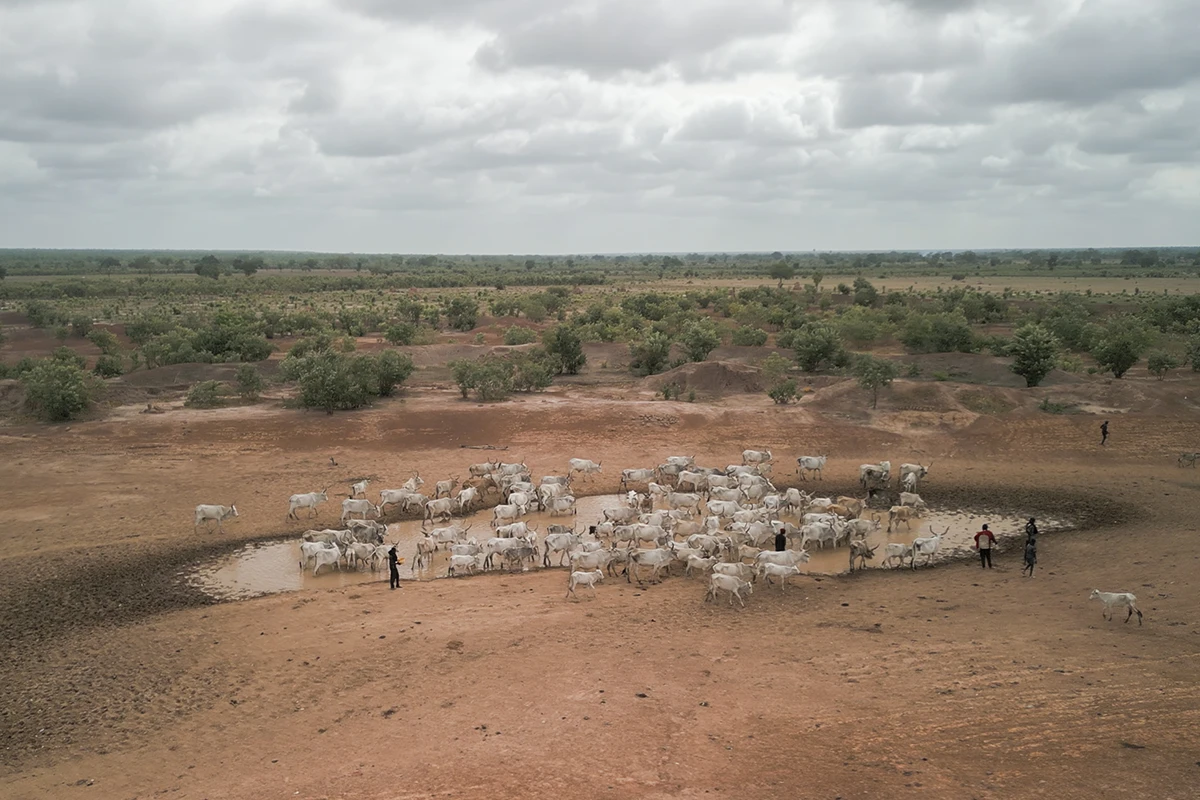



The Pôle Pastoral Zones Sèches (PPZS) at the heart of multiple partnerships
The PPZS is a collaborative platform bringing together CIRAD, ISRA, UCAD and the CSE. For more than twenty years, this mechanism has been monitoring the transformations of agropastoral systems: pasture availability, herd mobility, fallows, land-use conflicts, and land pressure. A true open-air laboratory, the PPZS enables the co-production of knowledge with herders and helps inform public policies aimed at more resilient pastoral systems.
The CGIAR Multifunctional Landscapes initiative is now continuing this work by modeling livestock behavior (resting, grazing, movement) through innovative approaches, providing new tools to support pastoral policies in the face of climate change.
The PEPR FairCarboN SLAM-B project aims to simulate low-carbon territorial scenarios looking ahead to 2050. It focuses on the links between the Groundnut Basin and the Ferlo through animal mobility, which contributes to carbon sequestration.