
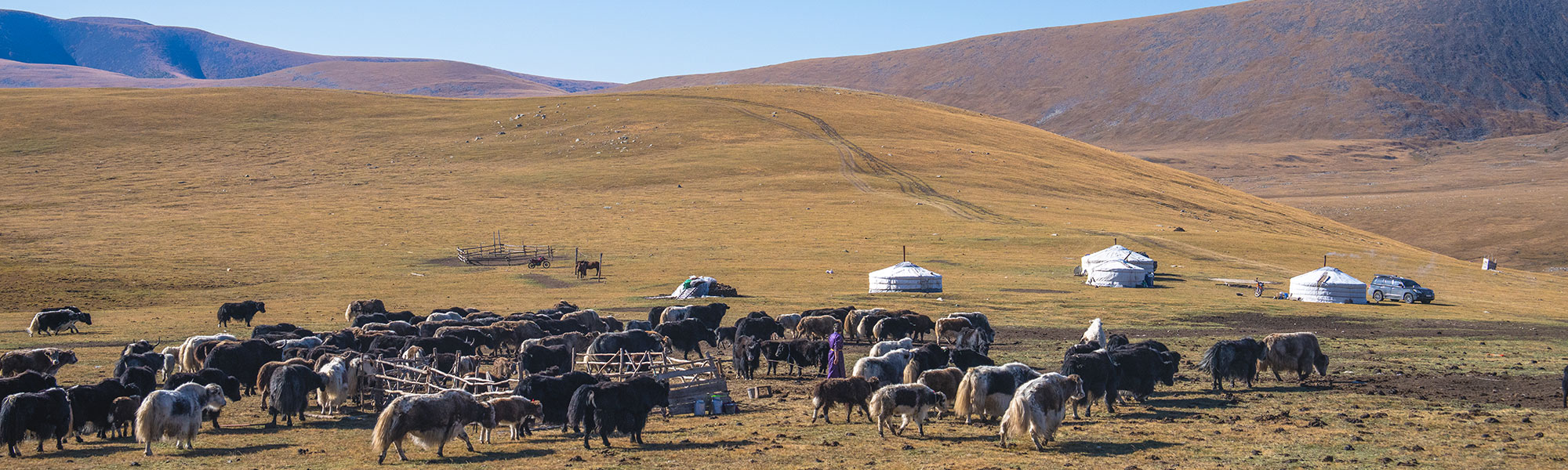
Autumn transhumance in Mongolia
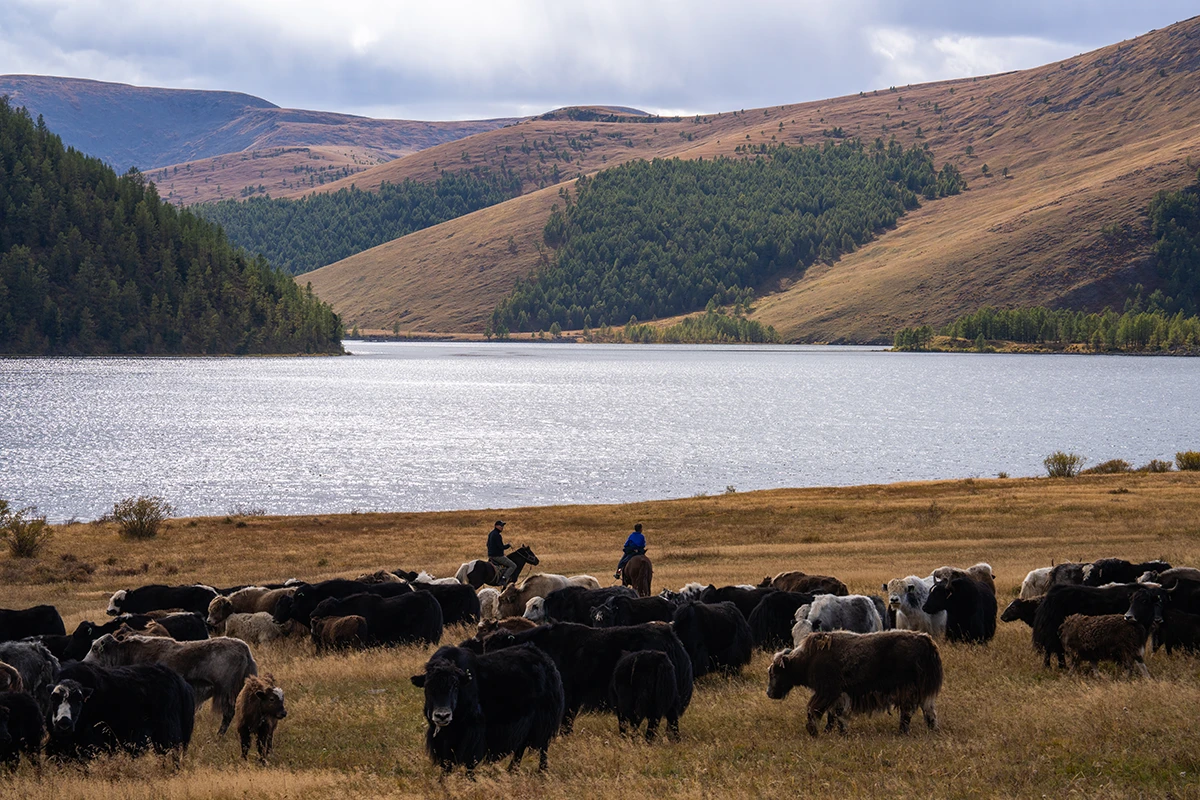
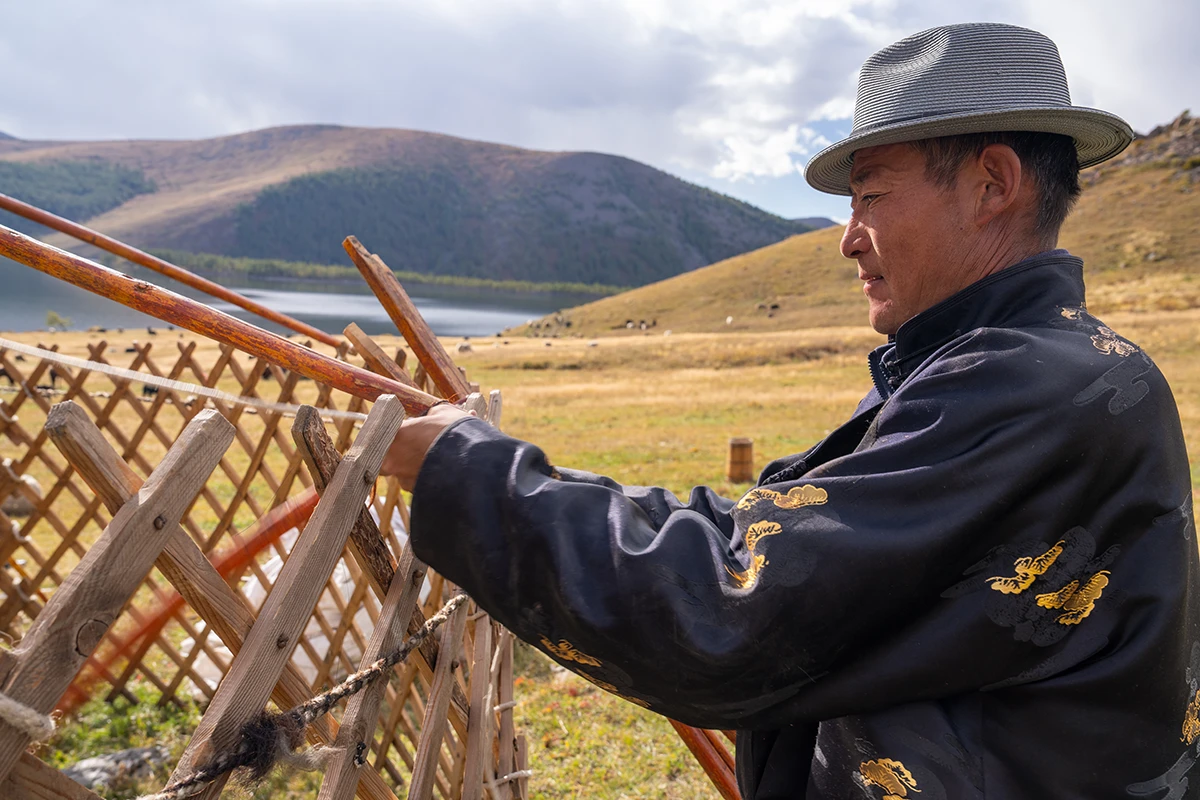
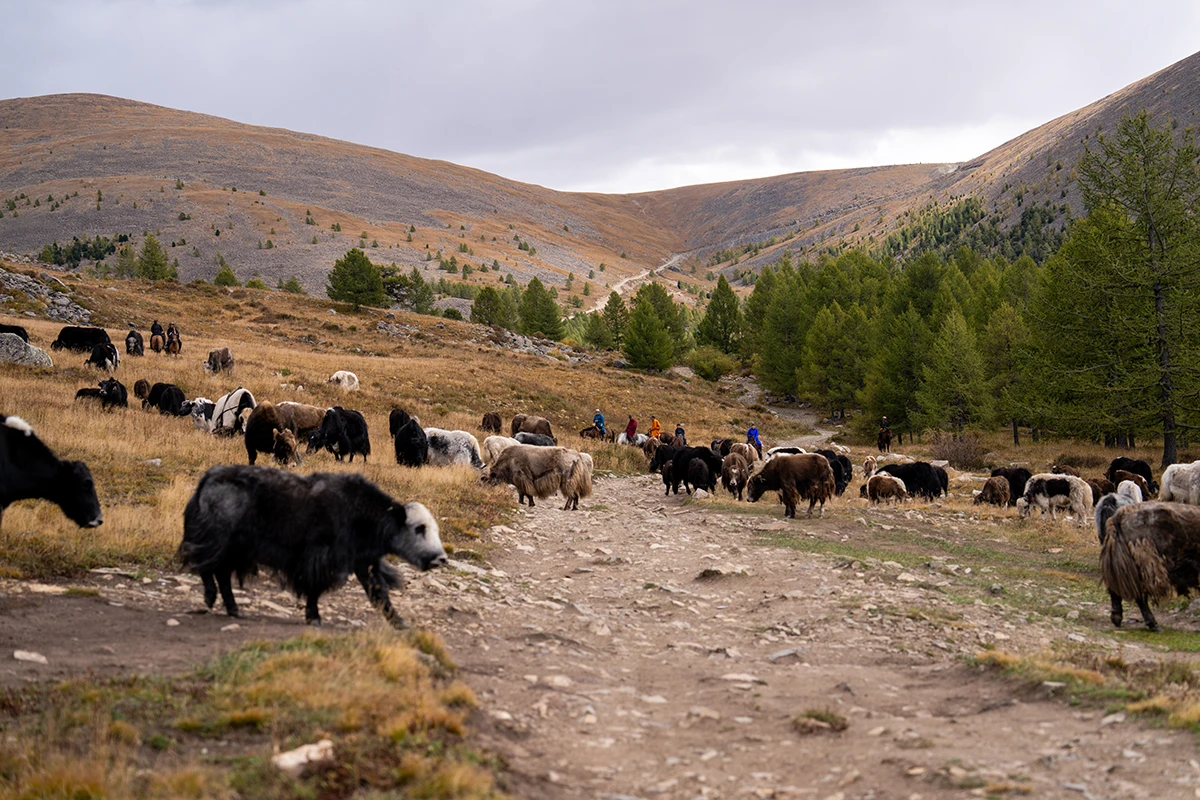
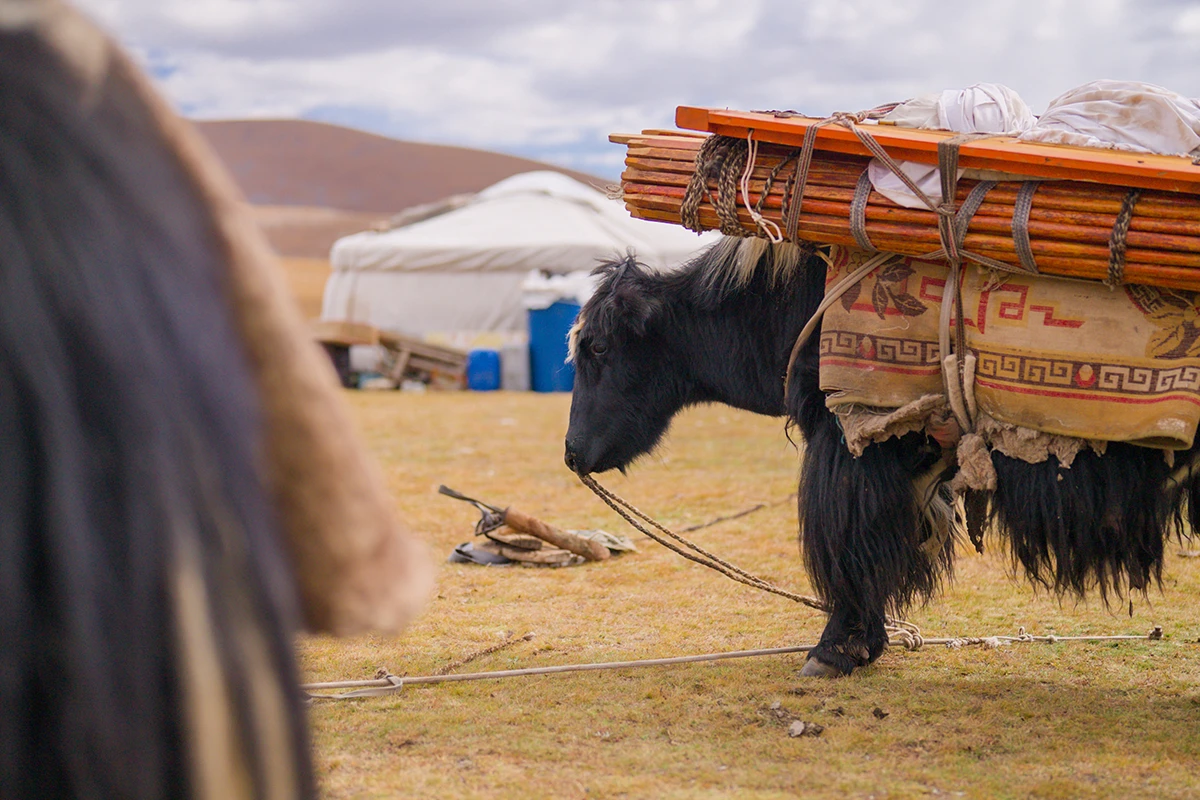
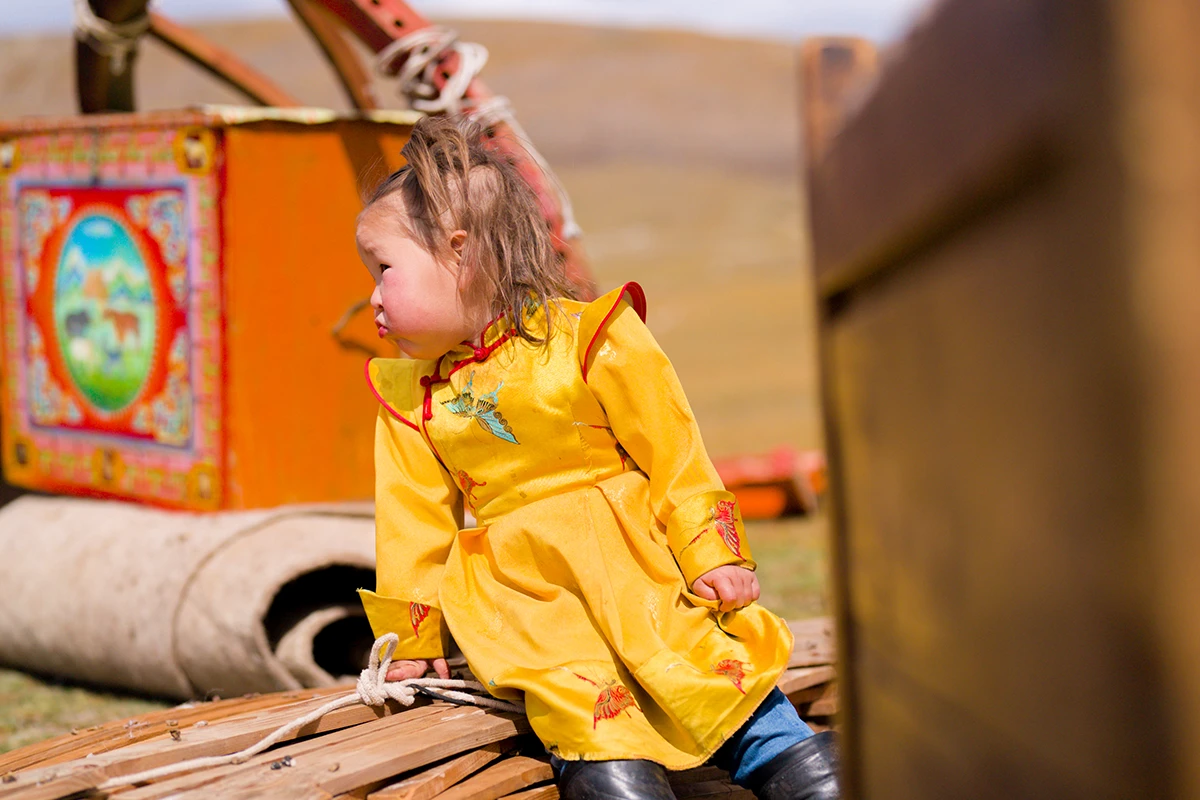
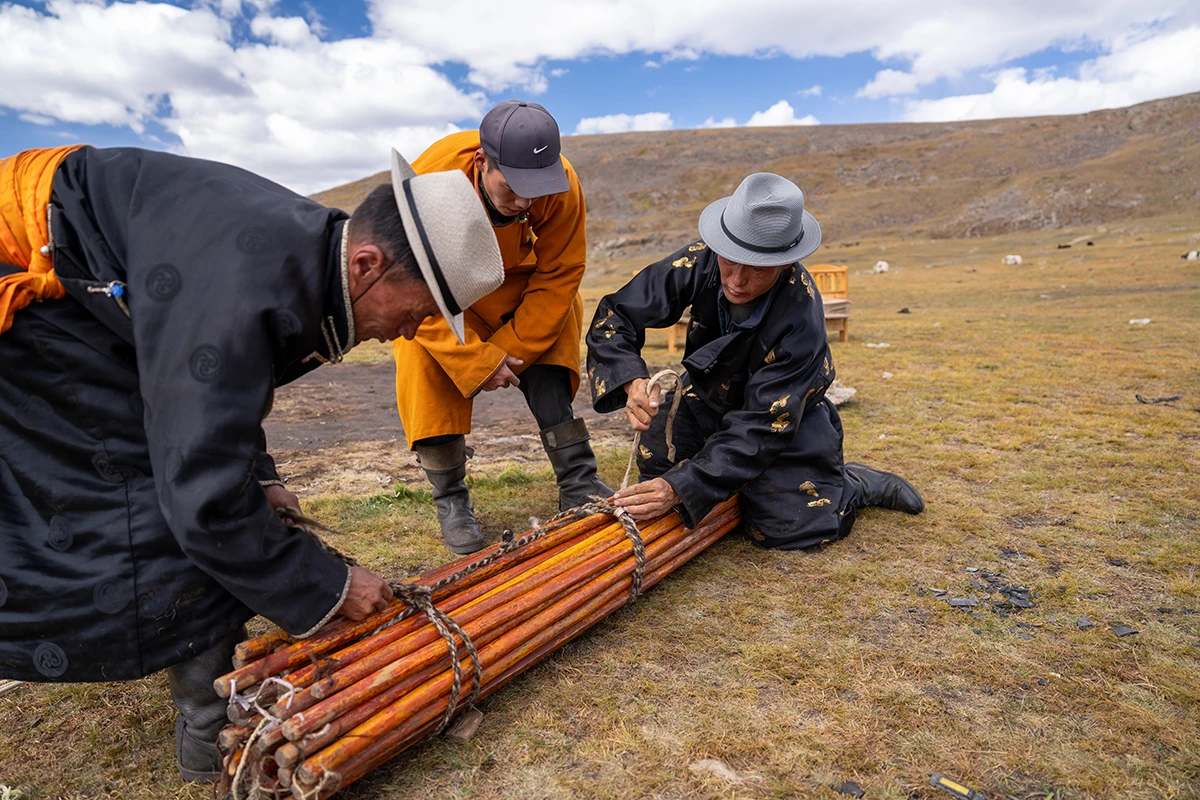
Between autumn and the beginning of winter, Mongolian herders move in transhumance from their summer camp to their winter camp. This mobility aims to avoid the first snowfalls so they can reach their refuge area without difficulty. Puljindorj Boldbaatar and his family have been raising yaks and horses for three generations in the Övörkhangai region. Settled in this ancestral territory, they perpetuate a way of life deeply rooted in pastoral mobility. They send off their yaks into the mountains to protect them from winter winds. The young animals are kept close to the camp, while non-pregnant females are left at higher elevations. Although yak herding is demanding, as long as the weather conditions remain favorable, it is rewarding.
Interview with Puljindorj Boldbaatar
A Steppe Passed Down Through Generations
Puljindorj Boldbaatar and his family have been raising around sixty yaks and a few horses for three generations in the mountains of Övörkhangai. Settled in this ancestral territory, they perpetuate a way of life deeply rooted in pastoral mobility while adapting to the modern world.
“ For three generations, my family has lived here. We raise yaks and horses, and sometimes we welcome passing tourists. Yaks provide us with fiber, milk, and meat, which we process into various dairy products.”
Tourism has developed rapidly since the end of the Soviet era. Today, Boldbaatar partly makes a living from income earned through horseback trekking in the Khuisiin Lake park.


Yaks: A Multifunctional Livestock System
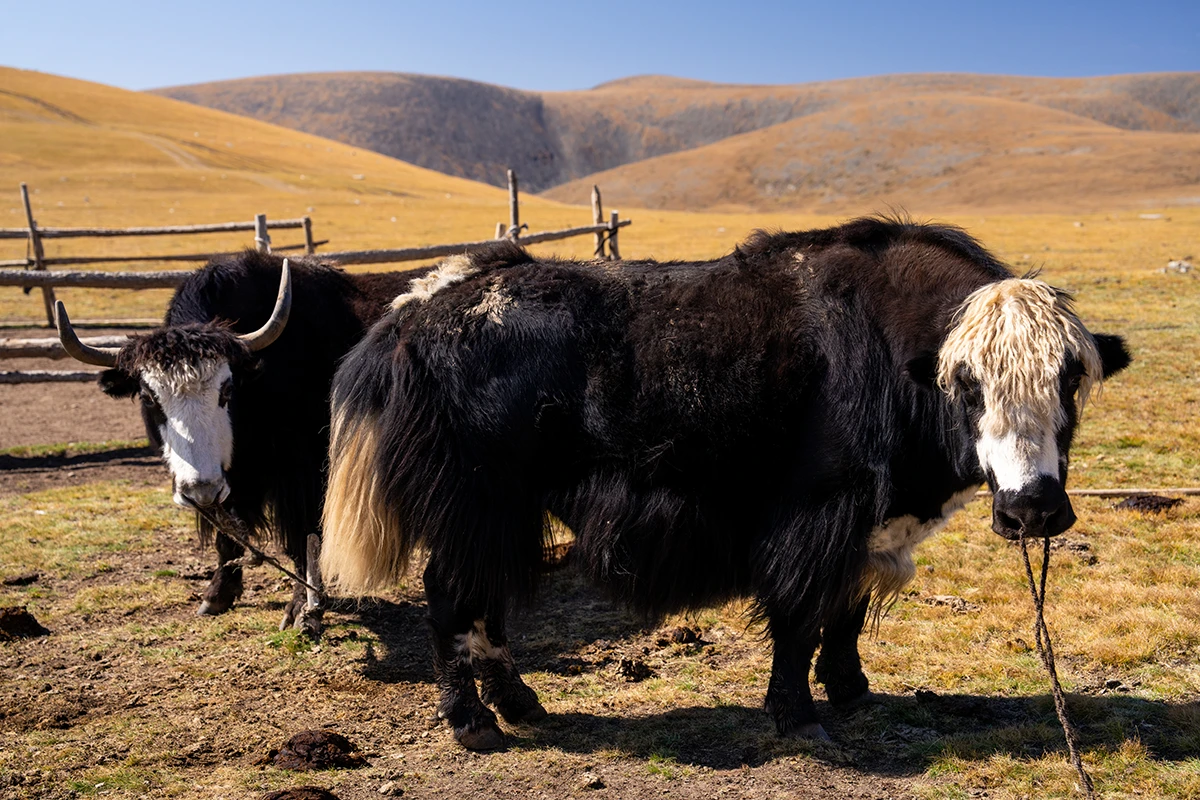
A hardy animal perfectly adapted to cold and high altitudes, the yak provides milk (processed into butter, cheese, and yogurt), meat, wool, and fibers used for clothing and handicrafts, as well as manure used as fuel or fertilizer. As a pack animal, it also helps transport goods during seasonal migrations.
Through its economic, nutritional, energy, and cultural roles, the yak embodies a high-value, multifunctional livestock system that is essential to the resilience of pastoral societies facing climatic and environmental constraints.
In Mongolia, the population of domesticated yaks is around one million head, making the country one of the world’s most important yak-herding regions outside China.
Pastoralism Under Pressure
In Mongolia, around 65% of rangelands are considered degraded. The combined effects of climate change — harsher winters and more frequent droughts — and the increase in livestock numbers are placing growing pressure on the steppes. To restore the pastures, Boldbaatar insists:
“Nomadism is our way of life. It is how we provide for ourselves. And as long as we can move with our animals, our culture will continue to exist.”
Transhumance is not only a practice for adapting to climate variability; it is also a way of mitigating the impacts of grazing. Traditionally, herders carried out up to four seasonal movements per year. Progressive sedentarization leads to localized overgrazing.


Toward a Smaller, More Sustainable Herd
Boldbaatar’s goal is clear: to maintain a smaller, but more productive herd.
“If we reduce the number of animals, the pastures will have time to regenerate, we will have lower livestock mortality, and better-quality products. However, product prices must reflect this commitment to quality.”
For him, the key to the future lies as much in collective organization as in herders’ ability to adapt their practices. Likewise, the composition of herds needs to evolve, with a reduced influence of cashmere value chains — particularly regarding the weight of goat herds within households.
Immersive 360° Transhumance
This transhumance was filmed in September 2025, before the first snowfalls.
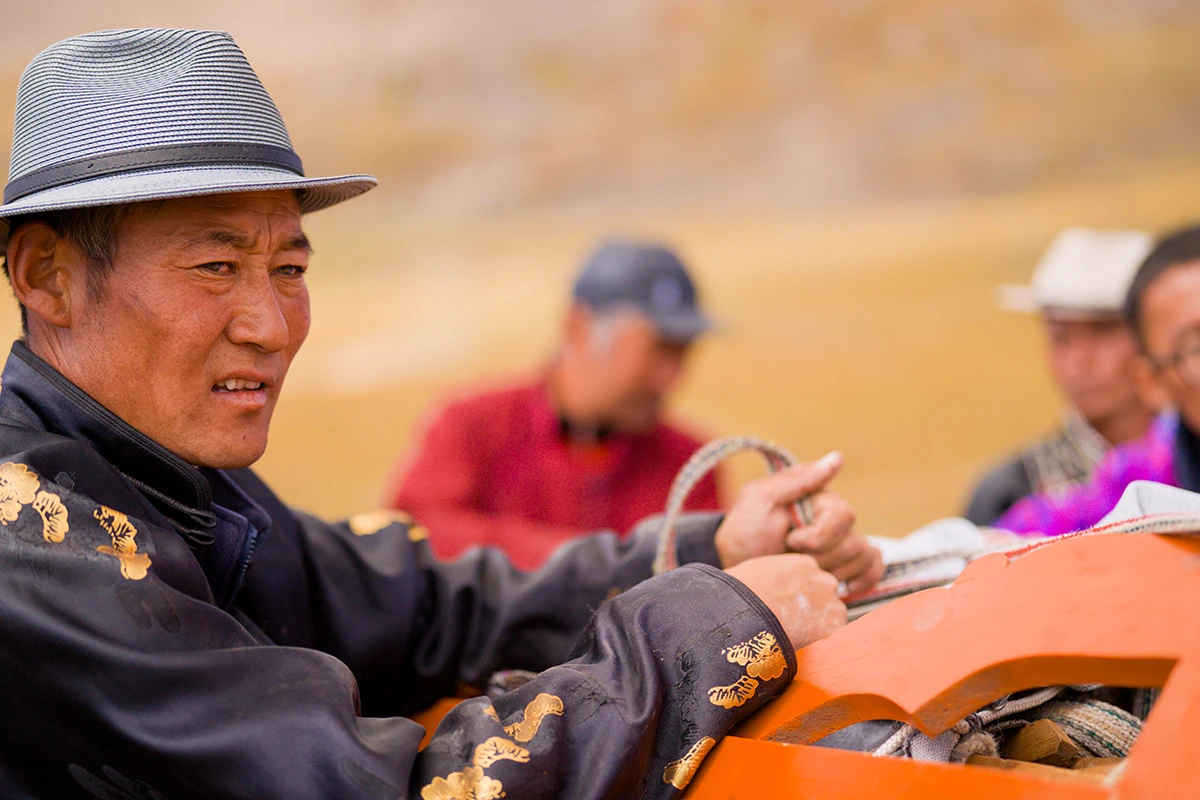
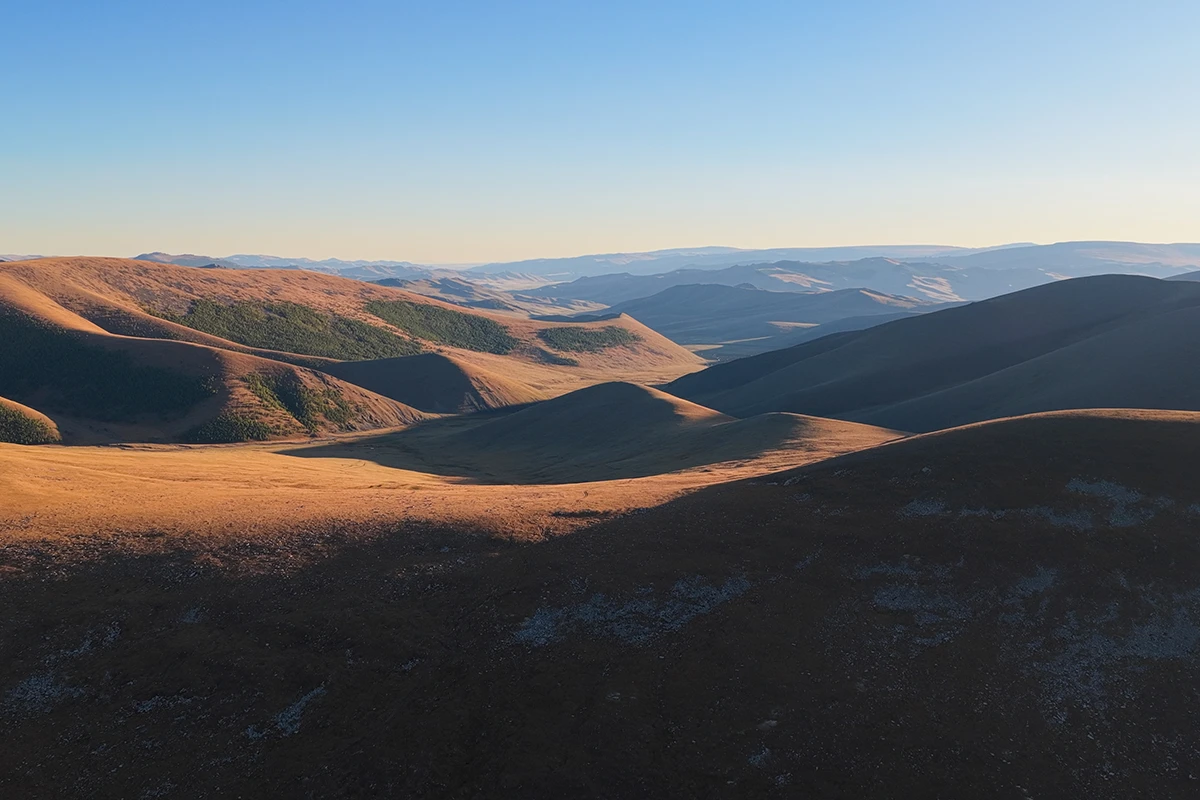
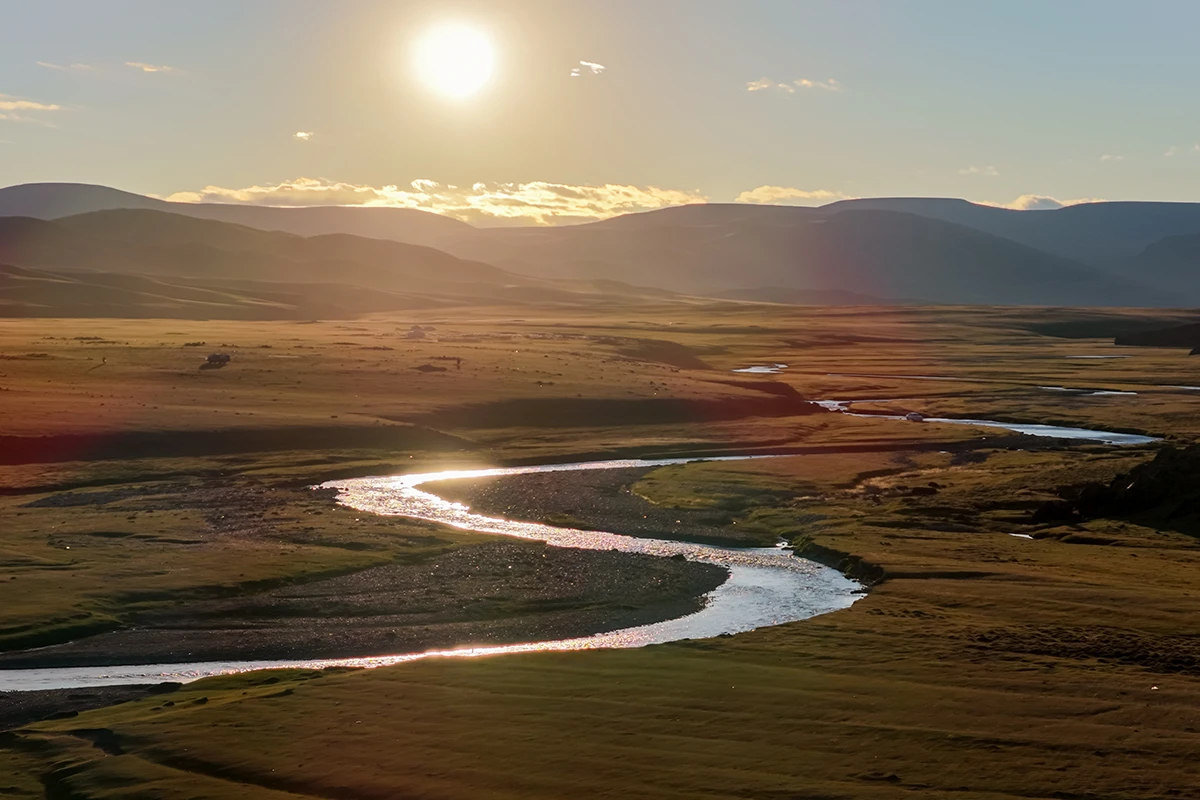
A photographic slideshow documenting the transhumance


Agronomes et Vétérinaires Sans Frontières (AVSF) and their Mongolian partner, Green Gold – Mongolian Rangeland Research Center (GG-MRRC)
Agronomes et Vétérinaires Sans Frontières (AVSF) plays a central role in Transhumances 360° – Mongolia alongside the Green Gold – Mongolian Rangeland Research Center (GGMRRC), its key scientific partner for sustainable rangeland management. Together, they have been supporting nomadic herders in Övörkhangai for many years, helping to strengthen the resilience of pastoral systems in the face of rangeland degradation and climate change.
Their work combines support to herder associations, territorial dialogue on rangeland use, and diversification of livestock-based incomes (meat, milk, yak fiber, handicrafts, tourism), notably through dedicated programs such as WIFI, GOATS, PLEDGE, and StepEcolab 2.
This approach is further extended through the Nomads For Life project, funded by the Fonds Français pour l’Environnement Mondial (FFEM) and implemented by Agronomes et Vétérinaires Sans Frontières (AVSF) in partnership with CIRAD, which supports pilot territories in co-building action plans between herders, local authorities, and natural resource managers, while also strengthening the economic diversification of nomadic households.